
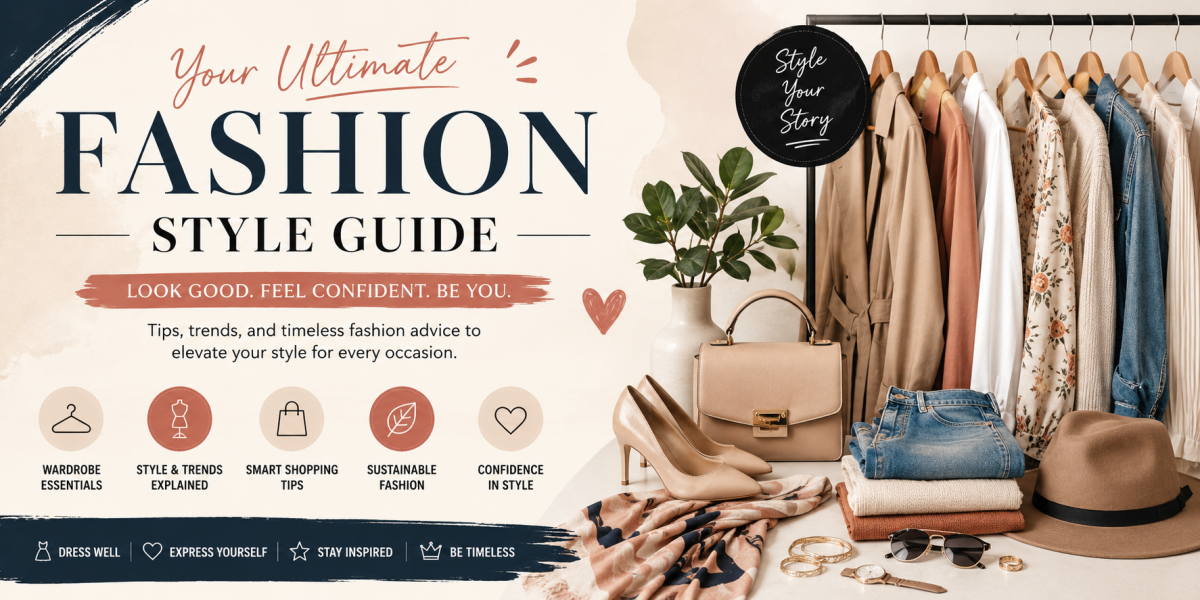
Fashion is not only about wearing expensive clothes. It is about understanding your body, lifestyle, climate, comfort, confidence and budget, then choosing pieces that work together in real life. A good wardrobe should help you get dressed faster, feel more polished, spend less on random purchases and look appropriate in different situations. This complete fashion guide explains how to build a useful wardrobe from the ground up, how to identify quality clothing, how to shop smarter, how to style outfits, how to choose fabrics, how to care for clothes and how to avoid common fashion mistakes.
The goal is not to force one style on everyone. A student, office worker, traveler, business owner, creator, parent, minimalist, streetwear fan and formal dresser will not need the same wardrobe. The real goal is to help you understand the system behind good style. Once you know that system, you can build a wardrobe that fits your own world. This guide is written for global readers, so it focuses on practical ideas that work across countries, budgets, seasons and body types.
Before buying new clothes, remember this simple rule: the best fashion purchase is the one you can wear many times, style in multiple ways and maintain without stress. Trends can be fun, but your wardrobe should not depend only on trends. A balanced wardrobe mixes timeless basics, personal statement pieces, seasonal updates and comfortable everyday items.
1. What Good Fashion Really Means
Good fashion is the meeting point of appearance, comfort, function and identity. A beautiful outfit that feels painful after one hour is not a good outfit. A trendy item that does not match anything in your wardrobe is not a smart purchase. A cheap shirt that loses shape after two washes may cost more in the long run than a better-made shirt you wear for years.
Real style is built through repeated good decisions. You choose the right size. You understand color. You buy for your actual lifestyle, not an imaginary lifestyle. You care for fabrics correctly. You know when to spend more and when to save. You also understand that fashion changes by place. A perfect outfit for a summer city walk may not be suitable for a conservative workplace, a religious area, a cold climate, a beach holiday or a formal dinner.
Modern fashion also includes responsibility. More people now think about how clothes are made, how long they last and what happens after they are discarded. Sustainable fashion can feel complicated, but the beginner principle is simple: buy fewer random items, choose better quality when possible, repair what you can, care for clothes properly and avoid treating clothing as disposable. Good On You’s sustainable fashion guide explains that more conscious shopping starts with understanding brands, materials and buying habits, not only buying from a “green” label. Read Good On You’s beginner guide to sustainable fashion.
2. Start With Your Lifestyle, Not With Trends
The biggest wardrobe mistake is buying for someone else’s life. Social media can make every person feel like they need luxury bags, runway pieces, travel outfits, office blazers, gym sets, streetwear sneakers, party dresses and resort wear at the same time. In reality, your closet should first serve your weekly routine.
Write down what your normal month looks like. How many days do you spend at work, university, home, gym, religious places, travel, events and casual outings? What climate do you live in? Do you walk a lot? Do you ride public transport? Do you need modest outfits? Do you attend formal meetings? Do you need clothes that are easy to wash? These questions are more useful than asking, “What is trending?”
For example, someone living in a hot and humid country should prioritize breathable fabrics, relaxed fits, washable shirts, comfortable sandals, light layering and sweat-friendly colors. Someone working in a corporate office may need trousers, button-down shirts, blazers, polished shoes and neutral color combinations. Someone who travels often needs wrinkle-resistant pieces, comfortable footwear and clothes that can mix easily in a suitcase.
| Lifestyle | Best Wardrobe Focus | Avoid Buying Too Much |
|---|---|---|
| Student | Comfortable basics, sneakers, light jackets, washable layers, smart casual outfits | Expensive formalwear that stays unused |
| Office worker | Blazers, shirts, trousers, structured shoes, neat bags, neutral colors | Very loud trend pieces that are hard to repeat |
| Traveler | Lightweight layers, comfortable shoes, quick-dry items, simple color palette | Bulky pieces that only work once |
| Creative professional | Distinctive accessories, relaxed tailoring, statement color, quality basics | Copying trends without personal identity |
| Minimalist | High-quality basics, repeatable outfits, simple shoes, careful fabric choices | Impulse sale items |
3. Build a Wardrobe Foundation First
A wardrobe foundation means the clothes you can wear repeatedly without looking exactly the same every day. These pieces are usually simple, versatile and easy to combine. They are not boring if you style them well. In fact, the most stylish people often rely on strong basics and then change the mood with shoes, bags, jewelry, belts, watches, scarves, glasses or outerwear.
A useful foundation normally includes plain T-shirts or tops, shirts, jeans, trousers, skirts or dresses according to your preference, one or two layers, comfortable shoes, simple accessories and clothes for weather changes. Neutral colors such as black, white, navy, beige, gray, cream, brown and denim blue are easy to mix, but you do not need to wear only neutrals. You can build around soft colors, earth tones, jewel tones, monochrome looks or even bright colors if they suit your personality.
The foundation should solve your daily dressing problems. If you always struggle before work, focus on work outfits first. If you always feel underdressed for events, build a small event capsule. If travel packing is stressful, create a travel capsule. Good fashion is personal problem solving.
4. The Core Wardrobe Pieces Most People Can Use
The exact list depends on culture, climate and personal style, but many wardrobes benefit from these categories: clean basics, smart bottoms, practical shoes, layering pieces and occasion outfits. For tops, think of plain tees, button-down shirts, lightweight knitwear, tank tops or modest long-sleeve options. For bottoms, think of jeans, tailored trousers, chinos, skirts, relaxed pants or linen trousers. For layers, think of a blazer, denim jacket, trench, cardigan, overshirt or lightweight jacket.
Vogue’s 2026 wardrobe essentials coverage highlights the continuing value of practical staples such as trench coats, denim, button-downs, day-to-night tops, flats and minimalist handbags. That does not mean everyone must buy the exact same items, but it confirms a useful principle: strong basics remain relevant even when trend cycles change. See Vogue’s wardrobe essentials guide.
When choosing core pieces, avoid buying too many similar items before testing them. For example, do not buy five white shirts at once. Buy one good white shirt, wear it for a few weeks, wash it, style it with different outfits and see if it really works. If it becomes one of your most-used pieces, then consider buying another version.
5. Understand Fit Before Style
Fit is more important than brand name. A simple outfit in the right fit can look more premium than expensive clothing in the wrong size. Fit does not always mean tight. It means the garment sits intentionally on your body. A relaxed shirt can fit well. Wide-leg trousers can fit well. Oversized hoodies can fit well if the shoulder, length, sleeve and proportion look intentional.
Check five points: shoulder line, chest or bust room, waist comfort, length and movement. You should be able to sit, walk, raise your arms and breathe comfortably. For pants, check the rise, thigh room, seat, length and how the fabric falls over shoes. For blazers, check the shoulder, sleeve length, button position and whether the fabric pulls when closed.
Tailoring is often the secret behind polished outfits. You do not need to tailor everything, but hemming trousers, adjusting sleeves or taking in a waist can transform average clothing. If a garment is close to perfect and the fabric is good, small alterations may be worth it. If the shoulder is completely wrong, the fabric is poor or the garment feels uncomfortable, tailoring may not save it.
6. Learn Fabric Basics Before Buying
Fabric affects comfort, durability, breathability, shape, care and price. A shirt can look beautiful online but feel hot, scratchy or stiff in real life. A dress can look elegant but wrinkle quickly. A jacket can look premium but pill after a few wears. Understanding fabric names helps you shop with more control.
Cotton is breathable and common, but quality varies. Linen is excellent for hot weather but wrinkles easily, which many people consider part of its charm. Wool can be warm, breathable and long-lasting, especially in coats, suits and knitwear. Silk feels luxurious but needs careful care. Polyester is durable and wrinkle-resistant, but it may feel less breathable in hot climates. Viscose, rayon, modal and lyocell can drape nicely but may shrink or require gentle washing depending on construction. Denim quality depends on weight, weave, stretch content and finishing.
Textile Exchange provides industry guidance around preferred fibers and materials, encouraging broader evaluation of climate, nature, people, animals and governance. For everyday shoppers, the practical lesson is not to memorize every material standard. Instead, learn to read fiber content, ask how often you will wear the item and consider whether the fabric matches your climate and care routine. Explore Textile Exchange’s materials matrix.
| Fabric | Best For | Watch Out For |
|---|---|---|
| Cotton | T-shirts, shirts, casual dresses, daily wear | May shrink; thin cotton can lose shape |
| Linen | Hot weather, resort wear, relaxed tailoring | Wrinkles quickly; check transparency |
| Wool | Coats, suits, sweaters, winter layers | Needs careful washing; may itch if low quality |
| Polyester | Sportswear, wrinkle-resistant travel clothes | Can feel hot; odor retention in some garments |
| Viscose/Rayon | Draped dresses, blouses, flowy trousers | Can shrink or wrinkle; follow care label |
| Denim | Jeans, jackets, skirts, casual wear | Too much stretch may lose shape; check stitching |
7. How to Identify Quality Clothing
Quality is not only about price. Some expensive clothing is poorly made, and some affordable clothing is surprisingly durable. You need to inspect construction. Start with fabric feel. Does it feel too thin for its purpose? Does it stretch out immediately? Is it transparent under light? Does it feel rough on the skin? Then check stitching. Seams should be straight, secure and not full of loose threads. Buttons should feel attached properly. Zippers should move smoothly. Patterns should align where possible, especially on stripes or checks.
Check the inside of the garment. Good finishing often appears inside, not only outside. Look at the hem, seam allowance, lining and pocket construction. A lined blazer, reinforced buttons, clean seams and strong zipper can indicate better quality. For knitwear, gently stretch the fabric and see if it recovers. For shoes, check sole flexibility, stitching, glue marks, insole comfort and heel stability.
Quality also means suitability. A delicate silk shirt can be high quality but not suitable for someone who needs machine-washable daily clothes. A heavy denim jacket may be durable but not useful in tropical weather. So ask two questions: “Is this well made?” and “Is this right for my life?”
8. Create a Personal Color Palette
A color palette makes shopping easier. It does not need to be strict. Choose a base color, two or three supporting neutrals and a few accent colors. Base colors may include black, navy, brown, gray, cream or denim. Accent colors may include red, green, blue, burgundy, pink, yellow, rust, lavender or any shade that makes you feel confident.
People often buy colorful items that do not match anything else. A palette prevents that. If most of your clothes work together, you need fewer items to make more outfits. A navy blazer, white shirt, beige trousers and brown shoes can create a classic look. The same blazer can work with jeans and a T-shirt. A green scarf, burgundy bag or patterned shoe can add personality without making the wardrobe chaotic.
Color also affects mood and perception. Dark colors can look formal or slimming. Light colors feel fresh but need more care. Earth tones feel relaxed and mature. Bright colors create energy. Monochrome dressing looks intentional and polished. The best palette is one that suits your skin tone, environment and confidence level.
9. Dress for Body Proportion, Not Body Shame
Style advice should never make people feel bad about their bodies. The goal is not to hide yourself. The goal is to use proportion so outfits feel balanced. Proportion means how the top, bottom, shoes and accessories relate to one another. A long oversized top with loose pants can look stylish if the fabric and shape are intentional. It can also look messy if everything lacks structure. A cropped jacket can make wide-leg trousers look balanced. A tucked shirt can define the waist. A long coat can create a vertical line.
Instead of asking, “What should I not wear for my body?” ask, “What shapes make me feel comfortable and confident?” Try different rises in pants, different necklines, different sleeve lengths and different jacket cuts. Take mirror photos in natural light. You may notice that certain proportions make you stand taller or feel more balanced.
One useful method is the “one structured, one relaxed” rule. If the top is relaxed, choose a cleaner bottom. If the bottom is wide or loose, choose a more defined top. This is not a fixed rule, but it helps beginners avoid outfits that feel shapeless.
10. Smart Shopping: Buy With a Plan
Shopping without a plan is one of the fastest ways to waste money. Before buying, open your wardrobe and identify gaps. Do you need a white shirt, black trousers, everyday sneakers, summer sandals, a wedding outfit, a rain jacket or a better work bag? List the gap, preferred color, fabric, budget and how many outfits it should match.
Use the “three outfit test.” Before buying an item, imagine at least three outfits with clothes you already own. If you cannot style it three ways, it may not be versatile enough unless it is for a special occasion. Also calculate cost per wear. A $100 jacket worn 100 times costs $1 per wear. A $30 trend top worn once costs $30 per wear. Price alone does not tell the full story.
Do not let discounts control you. Sale items are only valuable if you would consider buying them at full price because they fit your actual wardrobe. Many people buy cheap sale pieces that later remain unused. A good deal is not a good deal if it creates clutter.
11. Online Fashion Shopping Checklist
Online fashion shopping is convenient, but it is risky because you cannot touch fabric or test fit. Always read the size chart, not just the size name. A medium in one brand may fit like a small in another. Check garment measurements if available: chest, waist, hip, shoulder, sleeve, rise, inseam and length. Compare them with a similar item you already own and like.
Read reviews carefully. Look for reviews from people who mention height, weight, body shape, usual size, fabric feel and washing results. Watch customer photos if available. Product photos are styled with lighting, pins, models and editing. Customer photos often show real drape and color.
Check return policy before payment. Fashion returns can be expensive, especially for international orders. Understand who pays return shipping, whether sale items are final, how many days you have and whether refunds go to original payment method or store credit. For expensive fashion purchases, use safer payment methods and keep order confirmation, delivery proof and communication records.
12. How to Shop for Shoes
Shoes can make or break an outfit because they affect both appearance and comfort. A wardrobe usually needs everyday casual shoes, smart shoes, weather-appropriate shoes and possibly event shoes. The exact type depends on your lifestyle. Sneakers, loafers, flats, sandals, boots, heels, derbies or clean minimal shoes can all be useful depending on your routine.
When buying shoes, consider foot shape, arch support, sole grip, heel height, material and break-in period. Do not buy painful shoes expecting them to become comfortable. Some leather shoes soften, but badly shaped shoes may continue hurting. For travel or long workdays, comfort should come first. A stylish outfit loses its power if you cannot walk properly.
Neutral shoes are easier to repeat: black, white, brown, tan, gray, navy or metallic tones. But one statement shoe can be useful if the rest of your wardrobe is simple. For example, red flats, patterned sneakers or textured boots can make a basic outfit more interesting.
13. Accessories: The Small Details That Change Everything
Accessories allow you to refresh outfits without buying many clothes. A belt can define shape. A watch can add polish. A scarf can add color. Sunglasses can change the attitude of a look. Jewelry can make a plain shirt feel intentional. Bags affect both function and style.
Start with practical accessories first: one everyday bag, one formal or neat bag, a simple belt, everyday jewelry or watch, and weather accessories such as sunglasses, hat, scarf or umbrella depending on climate. Then add personality pieces slowly.
The key is balance. If your outfit is already loud, choose simpler accessories. If your outfit is minimal, accessories can create the main style statement. Avoid wearing every accessory at once unless maximalism is your intentional style.
14. Wardrobe Capsules for Different Needs
A capsule wardrobe is a small group of clothes that work together. It does not mean owning only ten pieces forever. It means creating focused sets for specific needs. You can have a work capsule, travel capsule, summer capsule, winter capsule, modest capsule, gym capsule or event capsule.
A travel capsule might include two bottoms, four tops, one layer, one dress or smart outfit, comfortable shoes, sandals, sleepwear and accessories in one color palette. A work capsule might include three trousers, five shirts, one blazer, one cardigan, two shoes and a few accessories. A summer capsule might focus on cotton, linen, breathable shapes and easy sandals.
Capsules reduce decision fatigue. When items match, you get more combinations from fewer pieces. This is especially useful for people with limited space, limited budget or busy mornings.
| Capsule Type | Key Items | Best Color Strategy |
|---|---|---|
| Work Capsule | Blazer, trousers, shirts, loafers, structured bag | Neutral base with one accent color |
| Travel Capsule | Mixable tops, two bottoms, light layer, walking shoes | Two neutrals plus one print |
| Summer Capsule | Linen shirt, cotton tee, relaxed trousers, sandals | Light neutrals and breathable tones |
| Event Capsule | Dressy outfit, polished shoes, small bag, jewelry | Classic black, navy, cream or jewel tone |
15. Occasion Dressing: Look Appropriate Without Losing Yourself
Occasion dressing is about respect, comfort and context. A wedding, job interview, religious event, beach day, business meeting and concert all require different choices. You can still express personal style, but the outfit should fit the setting.
For interviews, choose neat, simple and comfortable clothing that does not distract from your communication. For weddings, respect dress codes, culture and venue. For travel, prioritize comfort and layers. For dinner, elevate basics with better shoes, accessories or texture. For creative events, you can take more risks with shape, color or statement pieces.
If you are unsure, it is usually safer to be slightly overdressed than underdressed, but avoid looking like you misunderstood the event. When in doubt, ask about dress code or study the venue. A polished smart-casual outfit can solve many uncertain situations.
16. Fashion Trends: Use Them Carefully
Trends can make fashion exciting. They introduce new shapes, colors and combinations. But trends should serve your style, not control it. The smartest way to use trends is to choose the ones that already connect with your wardrobe. If you love relaxed silhouettes, wide-leg trousers may be useful. If you love classic dressing, minimalist bags or flats may fit naturally. If you love bold looks, a trend color or statement accessory can refresh your outfits.
Avoid buying full trend outfits that will feel outdated quickly. Instead, add one trend element to a stable outfit. For example, wear a classic white shirt with trendy flats, or simple jeans with a current color bag. This keeps your wardrobe fresh without making it disposable.
Fashion media can be useful for inspiration, but not every trend deserves your money. Save photos that match your real life. After a few weeks, review them. If you still like a trend and can style it with your existing clothes, it may be worth trying.
17. Sustainable and Ethical Fashion Without Confusion
Sustainable fashion can include better materials, fair labor, lower waste, resale, repair, rental, slow buying and long-term care. The topic is complex because no garment is perfect. But consumers can still make better choices. Start by buying only what you need, choosing items you will repeat, supporting transparent brands when possible and avoiding low-quality impulse purchases.
Scientific American’s beginner guide to ethical and sustainable fashion explains that sustainability requires understanding the stages of clothing production and the claims brands make. For shoppers, this means looking beyond vague words like “eco” or “green” and checking whether a brand gives clear information about materials, factories, certifications, labor standards or repair programs. Read Scientific American’s guide to ethical and sustainable fashion.
Secondhand shopping is another useful option. Thrift stores, resale apps, vintage shops and clothing swaps can reduce waste and help you find unique pieces. But secondhand shopping still needs discipline. Do not buy something only because it is cheap or rare. Check condition, stains, odor, missing buttons, zipper quality and alteration potential.
18. Clothing Labels: Read Them Before You Buy
Labels tell you fiber content, country of origin, brand information and care instructions. In the United States, the FTC says most textile and wool products must have labels listing fiber content, country of origin and the identity of the manufacturer or another responsible business. See the FTC’s apparel labeling guidance. Care labels are also important because they explain how to clean clothing without damaging it. The FTC’s Care Labeling Rule requires manufacturers and importers to attach care instructions to many textile wearing apparel items and certain piece goods. Read the FTC’s care labeling guide.
For everyday shoppers, the lesson is simple: never ignore the care label. If a garment says dry clean only and you know you will never dry clean it, think twice. If a delicate item cannot handle your washing habits, it may not be practical. If the fabric content is unknown or the product page hides basic information, be careful.
19. How to Care for Clothes So They Last Longer
Clothing care is one of the most underrated parts of fashion. A well-cared-for affordable garment can look better than an expensive garment treated badly. Wash clothes less aggressively. Separate colors. Use gentle cycles for delicate items. Avoid high heat when fabric can shrink or weaken. Air dry when possible. Store knitwear folded instead of hanging to prevent stretching. Use proper hangers for jackets and shirts. Clean shoes regularly. Remove stains early.
Learn basic repair: sewing a button, fixing a loose hem, using a fabric shaver for pills and cleaning small marks. These small skills extend wardrobe life. For expensive items, professional cleaning or repair may be worth it. Leather bags, suede shoes, wool coats and formalwear need more attention than basic cotton tees.
Do not over-wash denim, jackets or delicate fabrics unless they are dirty. Over-washing fades color, weakens fibers and changes shape. At the same time, do not store dirty clothing for long because sweat, oil and stains can become harder to remove.
20. Budget Fashion: Spend More Where It Matters
A stylish wardrobe does not require unlimited money. The secret is priority. Spend more on items you wear often, items that affect comfort and items where quality is visible. Examples include shoes, coats, work bags, jeans, trousers, blazers and everyday shirts. Save on occasional trend pieces, simple accessories, seasonal color items or clothes you wear rarely.
Set a monthly or seasonal clothing budget. Avoid emotional shopping when stressed, bored or influenced by limited-time offers. Keep a wishlist for thirty days. If you still want the item after a month and it fills a real gap, it is likely a better purchase.
For low budgets, focus on fit and cleanliness first. A pressed shirt, well-fitted jeans and clean shoes can look better than a badly styled expensive outfit. Thrifting, alterations and simple color coordination can create strong style without high spending.
21. Luxury Fashion: When It Is Worth It and When It Is Not
Luxury fashion can offer craftsmanship, design, heritage and better materials, but it can also include high markups. Do not buy luxury only for a logo. Buy it if the quality, design, resale value, emotional value and frequency of use make sense. A classic bag used for years may be worth it for one person. A flashy trend bag used twice may not be worth it for another.
For luxury purchases, research authenticity, seller reputation, return policy and repair services. Be careful with marketplaces, social media sellers and “too good to be true” prices. Keep receipts, authenticity cards and packaging if resale value matters. For pre-owned luxury, use trusted authentication services and inspect condition carefully.
22. Common Fashion Mistakes to Avoid
The first mistake is buying clothes without knowing your measurements. The second is buying for fantasy occasions instead of real life. The third is ignoring fabric and care labels. The fourth is choosing trends that do not match your personality. The fifth is keeping uncomfortable clothes because they were expensive. The sixth is owning too many statement pieces and not enough basics. The seventh is wearing damaged shoes with otherwise good outfits.
Another common mistake is copying influencers exactly. Inspiration is useful, but your body, budget, weather, culture and routine may be different. Instead of copying an outfit item by item, study why it works. Is it the color contrast? The shape? The clean shoes? The tucked waist? The texture? Once you understand the reason, you can recreate the idea with your own clothes.
23. How to Organize Your Wardrobe
A messy wardrobe makes people feel like they have nothing to wear even when they own many clothes. Organize by category: tops, bottoms, dresses, outerwear, activewear, sleepwear and occasion wear. Then organize by color if helpful. Keep daily items visible. Store off-season clothing separately if space is limited.
Every few months, review your wardrobe. Create four groups: keep, repair, donate/sell and maybe. The “maybe” group should not stay forever. If you do not wear something for months because it does not fit, feel comfortable or match your life, it may be time to let it go. Keep sentimental pieces separately instead of mixing them with daily clothes.
Take photos of outfits you like. This creates a personal style library. On busy days, you can repeat a proven outfit instead of starting from zero.
24. Outfit Formulas That Always Help
An outfit formula is a repeatable combination. It saves time and keeps style consistent. Examples include: white shirt + jeans + loafers; black tee + tailored trousers + sneakers; linen shirt + relaxed pants + sandals; blazer + T-shirt + denim; midi dress + flats + small bag; knit top + wide-leg trousers + simple jewelry.
Formulas are not boring because you can change colors, textures and accessories. A white shirt with blue jeans feels classic. A striped shirt with black jeans feels sharper. A linen shirt with cream trousers feels relaxed. A satin shirt with tailored pants feels evening-ready. The structure is similar, but the mood changes.
| Outfit Formula | Best For | How to Upgrade |
|---|---|---|
| Shirt + jeans + loafers | Smart casual days | Add belt, watch and structured bag |
| Blazer + tee + trousers | Office casual or meetings | Choose clean sneakers or loafers |
| Dress + flats + jewelry | Dinner, events, travel | Add scarf or evening bag |
| Knit top + wide trousers | Polished daily wear | Add pointed flats or minimal heels |
25. Fashion for Hot, Cold and Rainy Weather
Climate should guide your wardrobe. In hot weather, choose breathable fabrics, looser shapes, light colors, sun protection and comfortable sandals or airy shoes. Cotton and linen are useful, but check transparency and wrinkles. In cold weather, layering matters: thermal base, shirt or knit, insulating layer, coat, scarf, hat and boots. In rainy weather, water-resistant outerwear, darker hems, quick-dry shoes and practical bags become important.
Many people dress for the temperature but forget humidity, wind and indoor air conditioning. A lightweight layer can be useful even in warm countries if you spend time in cold offices, malls or flights. For travel, layers beat bulky single-purpose pieces.
26. Cultural Awareness and Modesty
Fashion is connected to culture. A stylish outfit in one place may feel inappropriate in another. When traveling or attending cultural events, respect local expectations. This may include covering shoulders, avoiding short hemlines, removing shoes, choosing modest swimwear outside beaches or avoiding offensive prints. Respectful dressing does not mean losing style. It means adapting with intelligence.
Modest fashion can be elegant, modern and expressive. Longline shirts, wide-leg trousers, maxi skirts, structured layers, scarves, relaxed blazers and monochrome outfits can create strong style while providing coverage. The key is fabric movement, proportion and intentional layering.
27. Fashion Photography and Social Media Style
Social media has changed how people discover fashion. Outfit photos can be useful for inspiration, but remember that photos are often styled for the camera. Lighting, angles, editing and posing can make clothes look different. When buying based on influencer content, check whether the item works in normal movement and normal light.
If you create fashion content, focus on clarity. Show full outfit, close-up fabric, fit while sitting, shoes, accessories and honest notes about sizing. Good fashion content helps people make decisions, not just admire a picture.
28. Gender-Neutral Style Principles
Many fashion principles work for everyone: fit, fabric, color, proportion, care and context. Gendered categories can be useful for sizing, but personal style does not need to be limited by them. A blazer, white shirt, denim jacket, trousers, boots, sneakers, scarf or watch can work across many wardrobes.
If you shop across sections, focus on measurements rather than labels. Men’s shirts may offer a boxier shape. Women’s trousers may have different hip and waist proportions. Unisex items may run oversized. Try different cuts until you understand what works for your body.
29. A Practical 30-Day Wardrobe Reset
If your closet feels confusing, try a 30-day reset. During the first week, wear only your most comfortable and reliable outfits. Notice what you reach for naturally. During the second week, identify missing pieces. During the third week, experiment with new combinations using clothes you already own. During the fourth week, buy only one or two items that fill real gaps.
This process teaches more than a shopping spree. You learn your favorite fits, colors, fabrics and outfit formulas. You also discover which items you keep but never wear. A wardrobe reset can save money because it separates real needs from temporary desire.
30. Final Fashion Buying Checklist
Before buying any fashion item, ask: Does it fit my body comfortably? Does it match my real lifestyle? Can I style it with at least three existing items? Is the fabric suitable for my climate? Can I care for it properly? Is the quality acceptable for the price? Does the color fit my wardrobe palette? Am I buying it because I love it or because it is on sale? Would I still want it tomorrow?
If the answer is mostly yes, the item may be a smart purchase. If the answer is mostly no, leave it. Fashion should make life easier, not fill your closet with confusion.
31. Travel Fashion: Pack Less but Dress Better
Travel fashion needs a different mindset from daily fashion. You are not only dressing for style; you are dressing for luggage weight, climate changes, long walks, airport security, cultural expectations, photos and repeated wear. The best travel wardrobe uses pieces that mix easily. Choose one color family, then pack tops and bottoms that can create many combinations. A neutral trouser, relaxed shirt, plain tee, lightweight layer and comfortable shoes can handle many travel days if the colors work together.
Choose fabrics that resist wrinkles or still look good when wrinkled. Linen wrinkles, but in beach or resort settings it can still look natural. Technical blends can work for active trips, but make sure they do not look too sporty for restaurants or city evenings. A large scarf, overshirt or light jacket is useful for flights, air-conditioned buses, temples, mosques, churches, museums or conservative neighborhoods. For shoes, avoid packing too many pairs. One comfortable walking pair and one cleaner pair are enough for many trips.
Travel also teaches the value of outfit formulas. If you can wear the same trousers with three tops and the same shirt open over a tee or buttoned for dinner, you reduce luggage and stress. Pack accessories that change mood without taking space: sunglasses, belt, small jewelry, scarf or cap. Avoid new shoes on travel days because blisters can ruin a trip.
32. Workwear That Feels Modern
Modern workwear is no longer one strict uniform for everyone. Some offices require suits, some allow smart casual, and some remote workers only need polished tops for video calls. The best work wardrobe should match your professional environment while still feeling comfortable. Start with reliable bottoms, such as tailored trousers, chinos, clean dark denim if allowed, midi skirts or structured dresses. Add shirts, knit tops, blouses or minimal tees depending on formality. A blazer or structured layer instantly makes simple outfits look more professional.
Workwear colors do not need to be dull. Navy, charcoal, cream, olive, chocolate, burgundy, soft blue and muted green can look professional while adding personality. If your workplace is conservative, keep bold colors in accessories. If your workplace is creative, you can experiment with shape, texture and statement pieces while keeping the outfit intentional.
Comfort matters because workdays are long. Shoes should support walking, standing and commuting. Fabrics should handle sitting, movement and repeated washing. Avoid clothing that needs constant adjustment. If you keep pulling down a skirt, fixing a collar or worrying about transparency, the outfit is not working for your job.
33. Online Fashion Red Flags
Online fashion stores can be helpful, but some product pages hide important details. Be careful when a store shows only heavily edited photos, no size chart, no fabric content, no return policy, no customer service address or unrealistic discounts. Also be careful with copied product images from luxury brands, fake countdown timers and social media shops that only accept risky payment methods.
Before ordering from a new fashion store, search for independent reviews, check social media comments, compare product photos, read shipping policy and check whether the brand clearly explains returns. For expensive items, use payment methods with buyer protection. Keep screenshots of the product page, size chart and order confirmation until the product arrives and you are satisfied.
When the product arrives, inspect it immediately. Check size, fabric, stitching, smell, stains, zipper, buttons and whether it matches the product description. Try it with your own clothes before removing tags if returns depend on tags. If there is a problem, contact the seller quickly with clear photos and order details.
Conclusion: Style Is Built, Not Bought
A stylish wardrobe is built through awareness, patience and editing. You do not need to own everything. You need the right pieces for your life. Start with fit, fabric and function. Build a useful foundation. Add personality through color, accessories and statement pieces. Learn to care for clothes. Use trends carefully. Shop with a plan. Respect your budget. Most importantly, wear clothes that help you move through life with comfort and confidence.
Fashion becomes powerful when it stops being pressure and starts becoming a tool. Whether your style is minimal, classic, streetwear, modest, elegant, creative, sporty or experimental, the best wardrobe is the one that feels like you and works for your real day.
Quick FAQ
How many clothes do I need for a good wardrobe?
There is no fixed number. A good wardrobe depends on your lifestyle, climate and laundry routine. Start with enough pieces to create repeatable outfits for work, casual days, weather changes and special occasions.
What should I buy first when improving my style?
Start with the items you wear most often. For many people, that means better shoes, well-fitting jeans or trousers, simple tops, one good layer and practical accessories.
Are trends bad?
No. Trends can be useful and fun, but they should not control your whole wardrobe. Choose trends that fit your personality and can be styled with clothes you already own.
How can I look stylish on a low budget?
Focus on fit, clean shoes, simple colors, good grooming, secondhand finds, basic repairs and outfit formulas. A neat, well-fitted outfit often looks better than an expensive but careless outfit.
What is the most important fashion rule?
The most important rule is to dress for your real life. Clothes should fit your body, your climate, your routine, your budget and your confidence.