

The world is full of famous places, but a famous place is not automatically the right place for every traveler. Paris may be perfect for a first European city break, but it can feel expensive and crowded if you arrive in August without museum bookings. The Maldives can look like a dream, yet the transfer cost may surprise anyone who only checks the room price. Tokyo rewards planning and patience. Bali rewards slow travel. Banff rewards early accommodation booking. A smart trip begins before the suitcase comes out.
This guide is written for readers who want a practical, global travel plan rather than a thin list of pretty names. It covers twenty of the world’s most loved tourist places, but the goal is not to claim that these are the only destinations worth visiting. They are a balanced mix of classic cities, island escapes, natural wonders, cultural capitals and adventure regions. Some are expensive. Some can be done on a careful budget. Some are best for families, some for honeymooners, some for first-time solo travelers, and some for people who want landscapes more than shopping streets.
International tourism has been strongly recovering, and UN Tourism reported that global overnight tourist arrivals grew in 2025, reaching an estimated 1.52 billion international arrivals. That means demand is high, prices can move fast, and the old habit of booking everything at the last minute does not always work. A good traveler now compares seasons, flight routes, hotel locations, local rules, weather, ticket systems and cancellation conditions before paying. This guide brings those pieces together in one place.
Use it like a planning notebook. Read the quick comparison table first. Then go deeper into the destinations that match your budget, travel month and comfort level. The best trip is rarely the most expensive trip. It is the one where the destination, timing, hotel area, transport plan and daily pace fit your real life.
| # | Destination | Best Time | Suggested Stay | Typical Cost Signal |
|---|---|---|---|---|
| 1 | Paris, France | April–June and September–October | 4–6 days | Mid-range travelers often spend USD 180–350+ per day before long-haul flights. |
| 2 | Rome, Italy | March–May and late September–November | 4–5 days | USD 150–320+ per day for hotels, meals, transport and tickets. |
| 3 | London, United Kingdom | May–June and September | 5–7 days | USD 190–420+ per day depending heavily on accommodation. |
| 4 | New York City, USA | April–June and September–November | 5–7 days | USD 220–500+ per day; hotels are the biggest cost. |
| 5 | Dubai, United Arab Emirates | November–March | 4–6 days | USD 160–450+ per day, with luxury options far above that. |
| 6 | Tokyo & Kyoto, Japan | March–April for cherry blossoms and October–November for autumn color | 7–10 days | USD 140–330+ per day after flights; rail and accommodation choices matter. |
| 7 | Bali, Indonesia | May–September dry season | 7–10 days | USD 70–220+ per day depending on villa, tours and dining style. |
| 8 | Maldives | December–April for dry, sunny weather | 4–7 days | USD 120–250 on local islands; USD 450–1,500+ per day at resorts. |
| 9 | Bangkok & Thai Islands, Thailand | November–March | 7–12 days | USD 60–200+ per day; islands and resorts raise the average. |
| 10 | Singapore | February–April and generally year-round with rain planning | 3–5 days | USD 150–350+ per day; hawker food lowers food cost. |
| 11 | Istanbul, Türkiye | April–June and September–November | 4–6 days | USD 90–240+ per day depending on hotel class and exchange rates. |
| 12 | Barcelona, Spain | April–June and September–October | 4–5 days | USD 140–320+ per day. |
| 13 | Santorini, Greece | May–June and September–October | 3–5 days | USD 160–500+ per day; caldera-view hotels are expensive. |
| 14 | Swiss Alps, Switzerland | June–September for hiking and December–March for snow sports | 5–8 days | USD 220–550+ per day; Switzerland is costly but efficient. |
| 15 | Cairo & Giza, Egypt | October–April | 3–5 days in Cairo; 7–10 days with Luxor/Aswan | USD 70–220+ per day depending on guide, hotel and domestic transport. |
| 16 | Machu Picchu & Cusco, Peru | May–September dry season | 5–8 days | USD 90–260+ per day; permits, trains and guides affect cost. |
| 17 | Cape Town, South Africa | November–March for warm, dry weather | 5–8 days | USD 90–260+ per day depending on car hire and tours. |
| 18 | Queenstown, New Zealand | December–March for summer adventure and June–August for skiing | 5–7 days | USD 150–380+ per day; adventure activities add up quickly. |
| 19 | Sydney, Australia | September–November and March–May | 4–6 days | USD 160–360+ per day. |
| 20 | Banff & Canadian Rockies, Canada | June–September for lakes and hikes; December–March for winter scenery | 5–8 days | USD 160–400+ per day; car rental and lodge prices matter. |
Before You Choose a Destination: The Booking System That Saves Money
Most travelers lose money in the same quiet ways: they book flights before checking hotel prices, choose a hotel outside the useful transport zone, ignore baggage rules, or buy an attraction ticket from a random reseller without checking the official site. The better method is simple. First choose your month. Then compare flight prices across several dates. After that, check hotel areas on a map and confirm local transport. Only then should you lock the itinerary.
For hotel research, useful starting points include Booking.com, Agoda, Expedia, Hotels.com, Trip.com, Airbnb, Hostelworld, Google Hotels. Do not trust one site blindly. Search the same hotel on two or three platforms, then check the hotel’s own website. Sometimes direct booking gives free breakfast, a better cancellation policy or a room upgrade. Sometimes an OTA gives a lower final price. What matters is the final price after taxes, resort fees, cleaning fees and city taxes.
For air tickets, start with comparison tools such as Google Flights, Skyscanner, KAYAK, Momondo, Expedia Flights, Airline official websites. These sites are useful for discovering cheaper dates, nearby airports and awkward routes that may save money. Still, when the price difference is small, booking directly with the airline can be safer for schedule changes, cancellations and baggage disputes. A cheap ticket with a long self-transfer can become expensive if one delayed flight makes you miss the next one.
How to Read “Best Time to Visit” Correctly
Travel websites often say a destination is best in one or two months, but that can hide the real story. “Best” may mean best weather, lowest rain, biggest festival, warmest water, snow season, flower season, cheaper hotel rates or fewer crowds. These are not the same thing. A photographer may love a misty shoulder season. A family with children may prefer predictable weather. A budget traveler may accept a little rain if hotel prices drop by half.
For most popular destinations, the sweet spot is shoulder season: the weeks just before or after the peak. In Europe that often means spring or early autumn. In Southeast Asian beach areas it often means the start or end of the dry season. In mountain destinations, the best time depends on whether you want hiking trails or ski slopes. For desert and archaeological sites, cooler months make the difference between a comfortable day and a punishing one.
When planning, check three things together: weather, local holidays and school vacation periods. A city can have perfect weather but impossible hotel prices during a major festival or global event. A beach can have cheap rooms during monsoon season, but boat trips may be cancelled. A national park can look beautiful online, but road closures or shuttle rules may limit access. Good research protects the trip from those small surprises.
1. Paris, France

Paris, France deserves attention because it gives travelers a clear identity. It is not only a place to tick off a list. It has a rhythm, a food culture, a transport pattern and a set of small planning traps that can affect the whole trip. For many travelers, this destination works best when the schedule is not overloaded. One or two carefully chosen experiences per day usually feel better than rushing between famous spots just to collect photos.
Best time to visit: April–June and September–October. You may want to avoid late July–August if you dislike crowds and heat. Weather is only part of the decision. Prices, local holidays, flight availability and hotel location can change the experience just as much as sunshine or rain. If your travel dates are fixed, plan the day around the season instead of fighting it. Hot months need early starts and long lunch breaks. Rainy periods need backup indoor options. Peak months need advance reservations.
What to see: Eiffel Tower, Louvre, Seine river walk, Montmartre, Musée d’Orsay and day trips to Versailles. The common mistake is trying to see everything in one visit. A better plan is to choose one headline attraction, one neighborhood or nature area, and one slow local experience each day. That creates a trip that feels full without becoming tiring.
Food to try: croissants, steak frites, macarons, onion soup and neighborhood bakery breakfasts. Food is often the easiest way to understand a destination. Look for busy local places, simple menus and neighborhoods where residents actually eat. In tourist-heavy zones, a restaurant with photos of every dish in five languages is not always bad, but it is worth checking reviews carefully before sitting down.
Suggested stay and budget: 4–6 days. Mid-range travelers often spend USD 180–350+ per day before long-haul flights. This range can move sharply depending on your hotel class, booking season, private tours and restaurant choices. Budget travelers should focus on location and public transport. Luxury travelers should still compare cancellation terms because weather, strikes and flight changes can affect expensive trips too.
Best practical tip: Book major museums ahead, sleep near a metro line rather than only chasing a postcard-view room, and leave one unplanned evening for walking along the Seine.
2. Rome, Italy

Rome, Italy deserves attention because it gives travelers a clear identity. It is not only a place to tick off a list. It has a rhythm, a food culture, a transport pattern and a set of small planning traps that can affect the whole trip. For many travelers, this destination works best when the schedule is not overloaded. One or two carefully chosen experiences per day usually feel better than rushing between famous spots just to collect photos.
Best time to visit: March–May and late September–November. You may want to avoid August heat and holiday closures. Weather is only part of the decision. Prices, local holidays, flight availability and hotel location can change the experience just as much as sunshine or rain. If your travel dates are fixed, plan the day around the season instead of fighting it. Hot months need early starts and long lunch breaks. Rainy periods need backup indoor options. Peak months need advance reservations.
What to see: Colosseum, Roman Forum, Vatican Museums, Pantheon, Trastevere and Borghese Gallery. The common mistake is trying to see everything in one visit. A better plan is to choose one headline attraction, one neighborhood or nature area, and one slow local experience each day. That creates a trip that feels full without becoming tiring.
Food to try: carbonara, cacio e pepe, supplì, gelato and espresso at the counter. Food is often the easiest way to understand a destination. Look for busy local places, simple menus and neighborhoods where residents actually eat. In tourist-heavy zones, a restaurant with photos of every dish in five languages is not always bad, but it is worth checking reviews carefully before sitting down.
Suggested stay and budget: 4–5 days. USD 150–320+ per day for hotels, meals, transport and tickets. This range can move sharply depending on your hotel class, booking season, private tours and restaurant choices. Budget travelers should focus on location and public transport. Luxury travelers should still compare cancellation terms because weather, strikes and flight changes can affect expensive trips too.
Best practical tip: Do the Colosseum early, reserve Vatican tickets, and plan meals away from the most obvious piazza menus.
3. London, United Kingdom
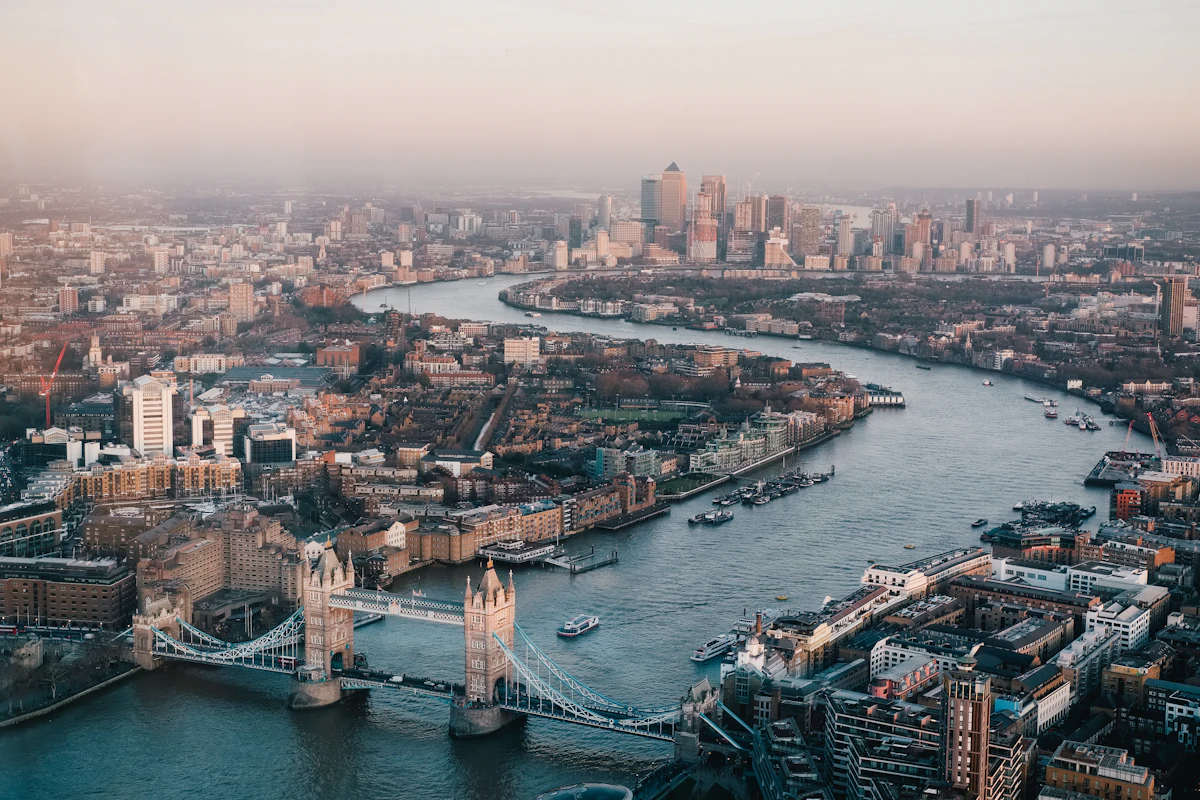
London, United Kingdom deserves attention because it gives travelers a clear identity. It is not only a place to tick off a list. It has a rhythm, a food culture, a transport pattern and a set of small planning traps that can affect the whole trip. For many travelers, this destination works best when the schedule is not overloaded. One or two carefully chosen experiences per day usually feel better than rushing between famous spots just to collect photos.
Best time to visit: May–June and September. You may want to avoid Christmas/New Year if you are price-sensitive. Weather is only part of the decision. Prices, local holidays, flight availability and hotel location can change the experience just as much as sunshine or rain. If your travel dates are fixed, plan the day around the season instead of fighting it. Hot months need early starts and long lunch breaks. Rainy periods need backup indoor options. Peak months need advance reservations.
What to see: British Museum, Tower of London, Westminster, South Bank, Camden, Notting Hill and day trips to Oxford or Windsor. The common mistake is trying to see everything in one visit. A better plan is to choose one headline attraction, one neighborhood or nature area, and one slow local experience each day. That creates a trip that feels full without becoming tiring.
Food to try: fish and chips, Sunday roast, afternoon tea, Indian curry, pies and Borough Market snacks. Food is often the easiest way to understand a destination. Look for busy local places, simple menus and neighborhoods where residents actually eat. In tourist-heavy zones, a restaurant with photos of every dish in five languages is not always bad, but it is worth checking reviews carefully before sitting down.
Suggested stay and budget: 5–7 days. USD 190–420+ per day depending heavily on accommodation. This range can move sharply depending on your hotel class, booking season, private tours and restaurant choices. Budget travelers should focus on location and public transport. Luxury travelers should still compare cancellation terms because weather, strikes and flight changes can affect expensive trips too.
Best practical tip: Use contactless payment for public transport, choose a neighborhood carefully, and mix free museums with paid attractions to control cost.
4. New York City, USA

New York City, USA deserves attention because it gives travelers a clear identity. It is not only a place to tick off a list. It has a rhythm, a food culture, a transport pattern and a set of small planning traps that can affect the whole trip. For many travelers, this destination works best when the schedule is not overloaded. One or two carefully chosen experiences per day usually feel better than rushing between famous spots just to collect photos.
Best time to visit: April–June and September–November. You may want to avoid peak holiday weeks if hotel prices matter. Weather is only part of the decision. Prices, local holidays, flight availability and hotel location can change the experience just as much as sunshine or rain. If your travel dates are fixed, plan the day around the season instead of fighting it. Hot months need early starts and long lunch breaks. Rainy periods need backup indoor options. Peak months need advance reservations.
What to see: Central Park, Statue of Liberty, Times Square, Broadway, museums, Brooklyn Bridge and skyline viewpoints. The common mistake is trying to see everything in one visit. A better plan is to choose one headline attraction, one neighborhood or nature area, and one slow local experience each day. That creates a trip that feels full without becoming tiring.
Food to try: New York pizza, bagels, deli sandwiches, food trucks, cheesecake and neighborhood cuisines from Queens to Brooklyn. Food is often the easiest way to understand a destination. Look for busy local places, simple menus and neighborhoods where residents actually eat. In tourist-heavy zones, a restaurant with photos of every dish in five languages is not always bad, but it is worth checking reviews carefully before sitting down.
Suggested stay and budget: 5–7 days. USD 220–500+ per day; hotels are the biggest cost. This range can move sharply depending on your hotel class, booking season, private tours and restaurant choices. Budget travelers should focus on location and public transport. Luxury travelers should still compare cancellation terms because weather, strikes and flight changes can affect expensive trips too.
Best practical tip: Stay near a useful subway line, book timed-entry attractions, and group your days by neighborhood because cross-town travel can eat your time.
5. Dubai, United Arab Emirates

Dubai, United Arab Emirates deserves attention because it gives travelers a clear identity. It is not only a place to tick off a list. It has a rhythm, a food culture, a transport pattern and a set of small planning traps that can affect the whole trip. For many travelers, this destination works best when the schedule is not overloaded. One or two carefully chosen experiences per day usually feel better than rushing between famous spots just to collect photos.
Best time to visit: November–March. You may want to avoid June–September outdoor sightseeing at midday. Weather is only part of the decision. Prices, local holidays, flight availability and hotel location can change the experience just as much as sunshine or rain. If your travel dates are fixed, plan the day around the season instead of fighting it. Hot months need early starts and long lunch breaks. Rainy periods need backup indoor options. Peak months need advance reservations.
What to see: Burj Khalifa, Dubai Mall, Old Dubai, desert safari, Palm Jumeirah, Dubai Marina and Museum of the Future. The common mistake is trying to see everything in one visit. A better plan is to choose one headline attraction, one neighborhood or nature area, and one slow local experience each day. That creates a trip that feels full without becoming tiring.
Food to try: Emirati machboos, shawarma, mandi, karak tea, dates and global fine dining. Food is often the easiest way to understand a destination. Look for busy local places, simple menus and neighborhoods where residents actually eat. In tourist-heavy zones, a restaurant with photos of every dish in five languages is not always bad, but it is worth checking reviews carefully before sitting down.
Suggested stay and budget: 4–6 days. USD 160–450+ per day, with luxury options far above that. This range can move sharply depending on your hotel class, booking season, private tours and restaurant choices. Budget travelers should focus on location and public transport. Luxury travelers should still compare cancellation terms because weather, strikes and flight changes can affect expensive trips too.
Best practical tip: Balance modern attractions with Old Dubai, dress respectfully in traditional areas, and avoid overpacking each day with distant activities.
6. Tokyo & Kyoto, Japan

Tokyo & Kyoto, Japan deserves attention because it gives travelers a clear identity. It is not only a place to tick off a list. It has a rhythm, a food culture, a transport pattern and a set of small planning traps that can affect the whole trip. For many travelers, this destination works best when the schedule is not overloaded. One or two carefully chosen experiences per day usually feel better than rushing between famous spots just to collect photos.
Best time to visit: March–April for cherry blossoms and October–November for autumn color. You may want to avoid Golden Week if you want easier bookings. Weather is only part of the decision. Prices, local holidays, flight availability and hotel location can change the experience just as much as sunshine or rain. If your travel dates are fixed, plan the day around the season instead of fighting it. Hot months need early starts and long lunch breaks. Rainy periods need backup indoor options. Peak months need advance reservations.
What to see: Shibuya, Asakusa, teamLab-style digital art, Fushimi Inari, Arashiyama, temples, gardens and food streets. The common mistake is trying to see everything in one visit. A better plan is to choose one headline attraction, one neighborhood or nature area, and one slow local experience each day. That creates a trip that feels full without becoming tiring.
Food to try: sushi, ramen, tempura, soba, okonomiyaki, matcha sweets and convenience-store snacks. Food is often the easiest way to understand a destination. Look for busy local places, simple menus and neighborhoods where residents actually eat. In tourist-heavy zones, a restaurant with photos of every dish in five languages is not always bad, but it is worth checking reviews carefully before sitting down.
Suggested stay and budget: 7–10 days. USD 140–330+ per day after flights; rail and accommodation choices matter. This range can move sharply depending on your hotel class, booking season, private tours and restaurant choices. Budget travelers should focus on location and public transport. Luxury travelers should still compare cancellation terms because weather, strikes and flight changes can affect expensive trips too.
Best practical tip: Book popular trains and hotels early in blossom season, carry cash for small shops, and build quiet temple mornings into the schedule.
7. Bali, Indonesia
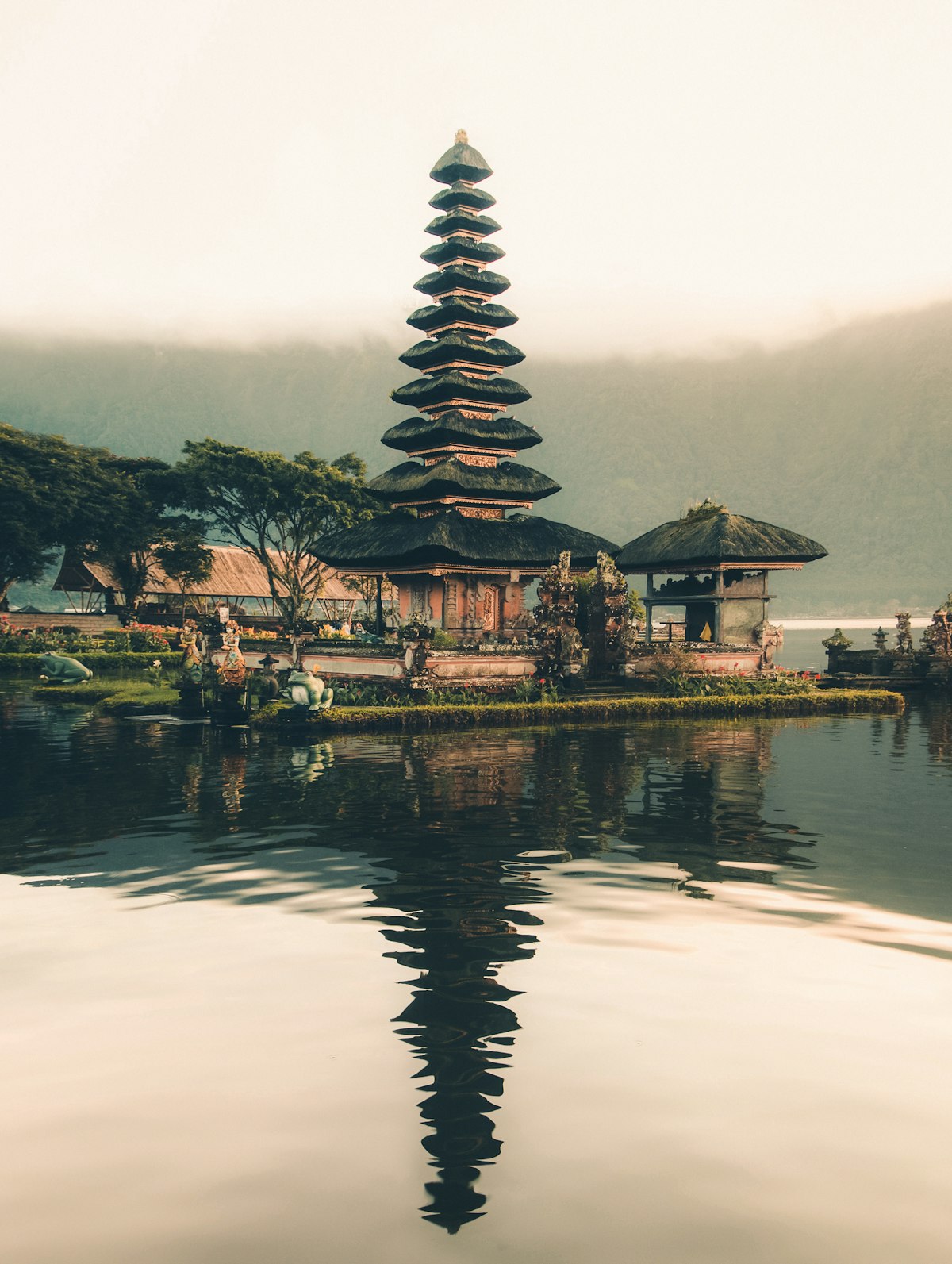
Bali, Indonesia deserves attention because it gives travelers a clear identity. It is not only a place to tick off a list. It has a rhythm, a food culture, a transport pattern and a set of small planning traps that can affect the whole trip. For many travelers, this destination works best when the schedule is not overloaded. One or two carefully chosen experiences per day usually feel better than rushing between famous spots just to collect photos.
Best time to visit: May–September dry season. You may want to avoid heavy rain months if your trip depends on beaches and scooters. Weather is only part of the decision. Prices, local holidays, flight availability and hotel location can change the experience just as much as sunshine or rain. If your travel dates are fixed, plan the day around the season instead of fighting it. Hot months need early starts and long lunch breaks. Rainy periods need backup indoor options. Peak months need advance reservations.
What to see: Ubud rice terraces, temples, waterfalls, Canggu cafés, Uluwatu cliffs, Nusa Penida and snorkeling trips. The common mistake is trying to see everything in one visit. A better plan is to choose one headline attraction, one neighborhood or nature area, and one slow local experience each day. That creates a trip that feels full without becoming tiring.
Food to try: nasi goreng, mie goreng, satay, babi guling where appropriate, smoothie bowls and seafood in Jimbaran. Food is often the easiest way to understand a destination. Look for busy local places, simple menus and neighborhoods where residents actually eat. In tourist-heavy zones, a restaurant with photos of every dish in five languages is not always bad, but it is worth checking reviews carefully before sitting down.
Suggested stay and budget: 7–10 days. USD 70–220+ per day depending on villa, tours and dining style. This range can move sharply depending on your hotel class, booking season, private tours and restaurant choices. Budget travelers should focus on location and public transport. Luxury travelers should still compare cancellation terms because weather, strikes and flight changes can affect expensive trips too.
Best practical tip: Do not treat Bali as one tiny beach town. Traffic is real, so split your stay between areas instead of commuting across the island daily.
8. Maldives

Maldives deserves attention because it gives travelers a clear identity. It is not only a place to tick off a list. It has a rhythm, a food culture, a transport pattern and a set of small planning traps that can affect the whole trip. For many travelers, this destination works best when the schedule is not overloaded. One or two carefully chosen experiences per day usually feel better than rushing between famous spots just to collect photos.
Best time to visit: December–April for dry, sunny weather. You may want to avoid monsoon months if you need guaranteed calm-sea resort days. Weather is only part of the decision. Prices, local holidays, flight availability and hotel location can change the experience just as much as sunshine or rain. If your travel dates are fixed, plan the day around the season instead of fighting it. Hot months need early starts and long lunch breaks. Rainy periods need backup indoor options. Peak months need advance reservations.
What to see: overwater villas, sandbanks, snorkeling, diving, dolphin cruises, local islands and sunset beaches. The common mistake is trying to see everything in one visit. A better plan is to choose one headline attraction, one neighborhood or nature area, and one slow local experience each day. That creates a trip that feels full without becoming tiring.
Food to try: mas huni, grilled reef fish, tuna curry, coconut-based snacks and resort international dining. Food is often the easiest way to understand a destination. Look for busy local places, simple menus and neighborhoods where residents actually eat. In tourist-heavy zones, a restaurant with photos of every dish in five languages is not always bad, but it is worth checking reviews carefully before sitting down.
Suggested stay and budget: 4–7 days. USD 120–250 on local islands; USD 450–1,500+ per day at resorts. This range can move sharply depending on your hotel class, booking season, private tours and restaurant choices. Budget travelers should focus on location and public transport. Luxury travelers should still compare cancellation terms because weather, strikes and flight changes can affect expensive trips too.
Best practical tip: Check transfer cost before booking a resort. A cheap room can become expensive if the seaplane transfer costs several hundred dollars.
9. Bangkok & Thai Islands, Thailand
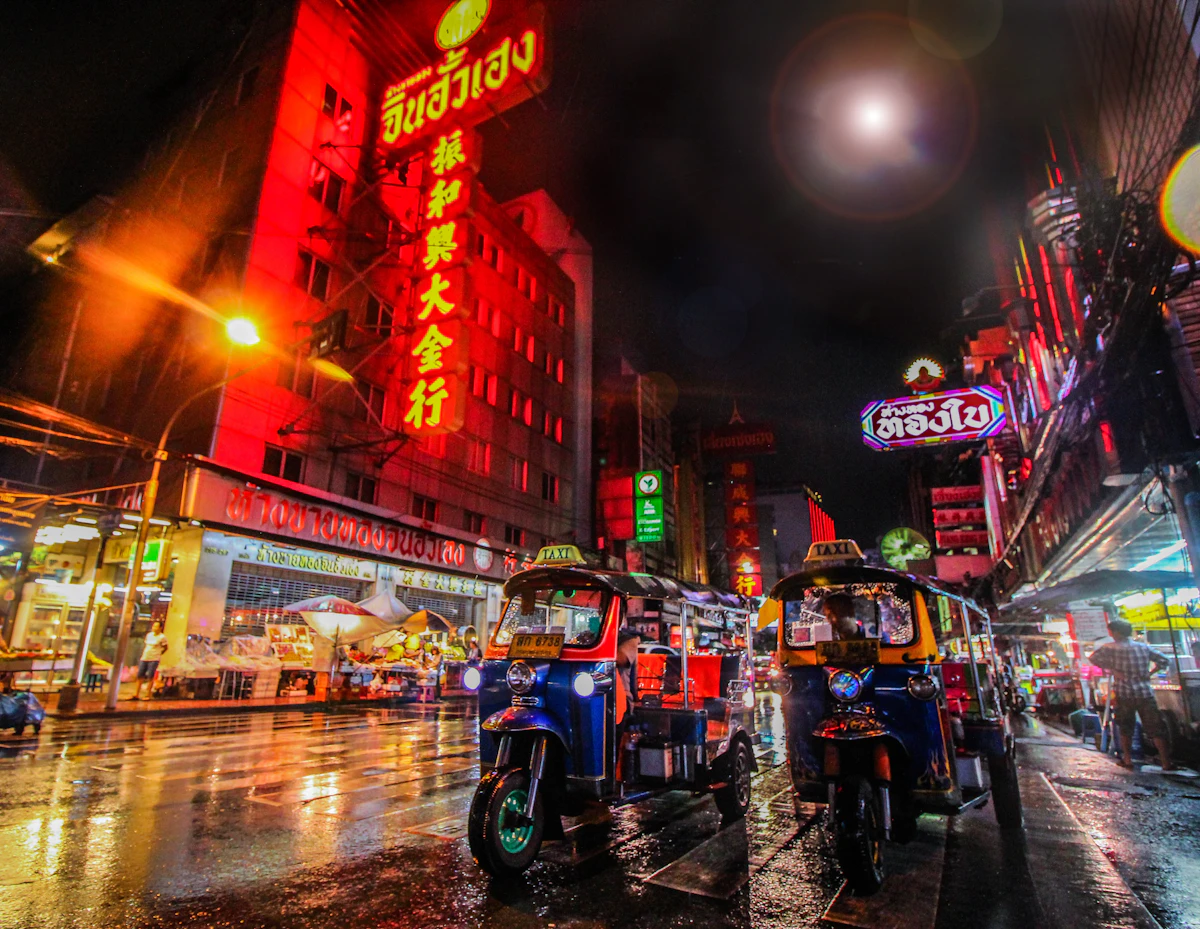
Bangkok & Thai Islands, Thailand deserves attention because it gives travelers a clear identity. It is not only a place to tick off a list. It has a rhythm, a food culture, a transport pattern and a set of small planning traps that can affect the whole trip. For many travelers, this destination works best when the schedule is not overloaded. One or two carefully chosen experiences per day usually feel better than rushing between famous spots just to collect photos.
Best time to visit: November–March. You may want to avoid monsoon periods for island-hopping. Weather is only part of the decision. Prices, local holidays, flight availability and hotel location can change the experience just as much as sunshine or rain. If your travel dates are fixed, plan the day around the season instead of fighting it. Hot months need early starts and long lunch breaks. Rainy periods need backup indoor options. Peak months need advance reservations.
What to see: Grand Palace, Wat Arun, Chinatown, floating markets, Chiang Mai side trips, Phuket, Krabi, Koh Samui and Phi Phi. The common mistake is trying to see everything in one visit. A better plan is to choose one headline attraction, one neighborhood or nature area, and one slow local experience each day. That creates a trip that feels full without becoming tiring.
Food to try: pad thai, green curry, mango sticky rice, tom yum, boat noodles and street food markets. Food is often the easiest way to understand a destination. Look for busy local places, simple menus and neighborhoods where residents actually eat. In tourist-heavy zones, a restaurant with photos of every dish in five languages is not always bad, but it is worth checking reviews carefully before sitting down.
Suggested stay and budget: 7–12 days. USD 60–200+ per day; islands and resorts raise the average. This range can move sharply depending on your hotel class, booking season, private tours and restaurant choices. Budget travelers should focus on location and public transport. Luxury travelers should still compare cancellation terms because weather, strikes and flight changes can affect expensive trips too.
Best practical tip: Combine city and beach time, use registered transport, and keep temple days modest in dress and behavior.
10. Singapore
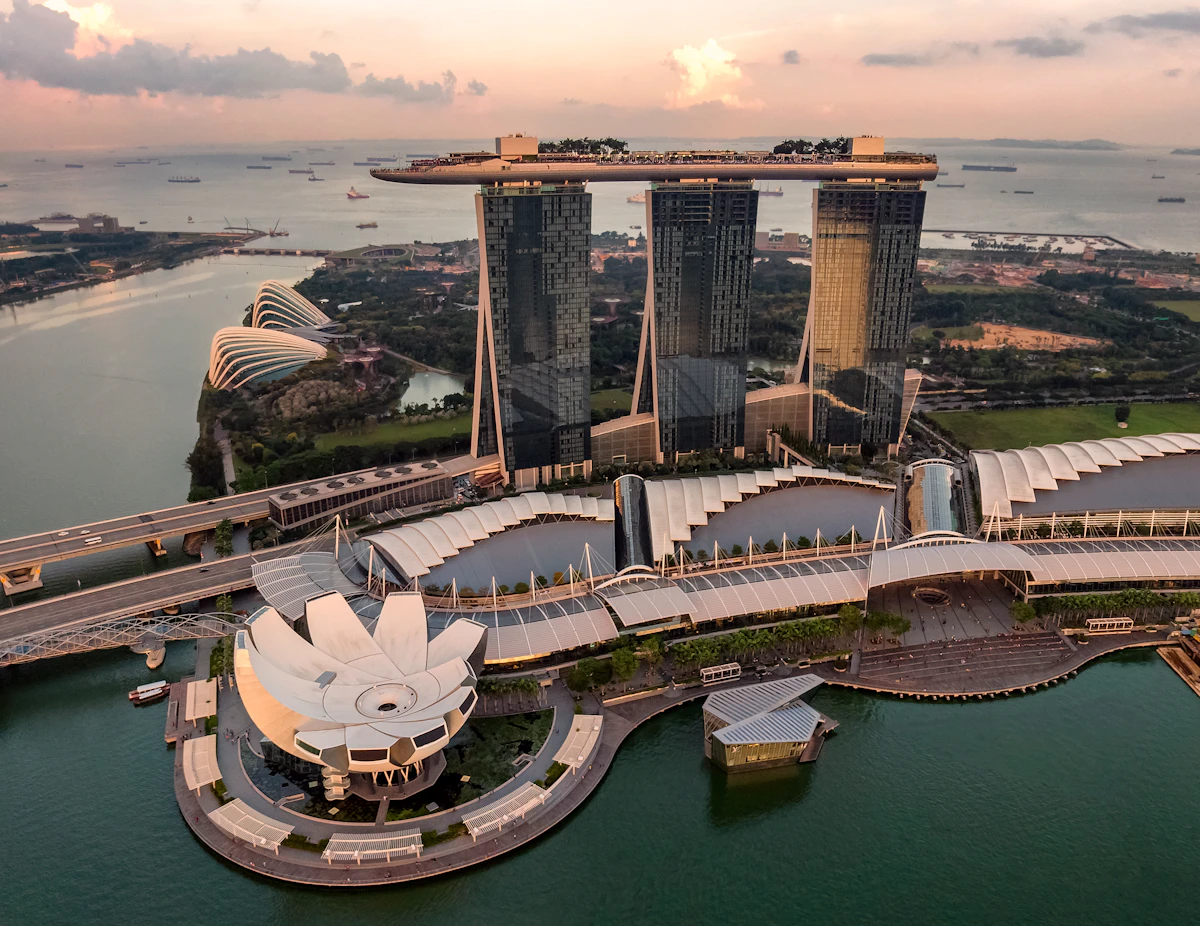
Singapore deserves attention because it gives travelers a clear identity. It is not only a place to tick off a list. It has a rhythm, a food culture, a transport pattern and a set of small planning traps that can affect the whole trip. For many travelers, this destination works best when the schedule is not overloaded. One or two carefully chosen experiences per day usually feel better than rushing between famous spots just to collect photos.
Best time to visit: February–April and generally year-round with rain planning. You may want to avoid major event weeks if hotel prices are high. Weather is only part of the decision. Prices, local holidays, flight availability and hotel location can change the experience just as much as sunshine or rain. If your travel dates are fixed, plan the day around the season instead of fighting it. Hot months need early starts and long lunch breaks. Rainy periods need backup indoor options. Peak months need advance reservations.
What to see: Marina Bay, Gardens by the Bay, Chinatown, Kampong Glam, Sentosa, Jewel Changi and hawker centers. The common mistake is trying to see everything in one visit. A better plan is to choose one headline attraction, one neighborhood or nature area, and one slow local experience each day. That creates a trip that feels full without becoming tiring.
Food to try: Hainanese chicken rice, laksa, chilli crab, kaya toast, satay and hawker-center meals. Food is often the easiest way to understand a destination. Look for busy local places, simple menus and neighborhoods where residents actually eat. In tourist-heavy zones, a restaurant with photos of every dish in five languages is not always bad, but it is worth checking reviews carefully before sitting down.
Suggested stay and budget: 3–5 days. USD 150–350+ per day; hawker food lowers food cost. This range can move sharply depending on your hotel class, booking season, private tours and restaurant choices. Budget travelers should focus on location and public transport. Luxury travelers should still compare cancellation terms because weather, strikes and flight changes can affect expensive trips too.
Best practical tip: Use MRT, eat at hawker centers, and choose hotels early because small rooms in good locations can sell out fast.
11. Istanbul, Türkiye

Istanbul, Türkiye deserves attention because it gives travelers a clear identity. It is not only a place to tick off a list. It has a rhythm, a food culture, a transport pattern and a set of small planning traps that can affect the whole trip. For many travelers, this destination works best when the schedule is not overloaded. One or two carefully chosen experiences per day usually feel better than rushing between famous spots just to collect photos.
Best time to visit: April–June and September–November. You may want to avoid very hot midsummer afternoons for old-city walking. Weather is only part of the decision. Prices, local holidays, flight availability and hotel location can change the experience just as much as sunshine or rain. If your travel dates are fixed, plan the day around the season instead of fighting it. Hot months need early starts and long lunch breaks. Rainy periods need backup indoor options. Peak months need advance reservations.
What to see: Hagia Sophia area, Blue Mosque, Grand Bazaar, Bosphorus cruise, Galata, Kadıköy and Topkapi Palace. The common mistake is trying to see everything in one visit. A better plan is to choose one headline attraction, one neighborhood or nature area, and one slow local experience each day. That creates a trip that feels full without becoming tiring.
Food to try: kebab, meze, baklava, simit, Turkish breakfast, seafood and strong tea. Food is often the easiest way to understand a destination. Look for busy local places, simple menus and neighborhoods where residents actually eat. In tourist-heavy zones, a restaurant with photos of every dish in five languages is not always bad, but it is worth checking reviews carefully before sitting down.
Suggested stay and budget: 4–6 days. USD 90–240+ per day depending on hotel class and exchange rates. This range can move sharply depending on your hotel class, booking season, private tours and restaurant choices. Budget travelers should focus on location and public transport. Luxury travelers should still compare cancellation terms because weather, strikes and flight changes can affect expensive trips too.
Best practical tip: Stay near transit, take a ferry to the Asian side, and do not rush the markets; the city rewards slow wandering.
12. Barcelona, Spain

Barcelona, Spain deserves attention because it gives travelers a clear identity. It is not only a place to tick off a list. It has a rhythm, a food culture, a transport pattern and a set of small planning traps that can affect the whole trip. For many travelers, this destination works best when the schedule is not overloaded. One or two carefully chosen experiences per day usually feel better than rushing between famous spots just to collect photos.
Best time to visit: April–June and September–October. You may want to avoid peak August if crowds and heat bother you. Weather is only part of the decision. Prices, local holidays, flight availability and hotel location can change the experience just as much as sunshine or rain. If your travel dates are fixed, plan the day around the season instead of fighting it. Hot months need early starts and long lunch breaks. Rainy periods need backup indoor options. Peak months need advance reservations.
What to see: Sagrada Família, Park Güell, Gothic Quarter, beaches, Montjuïc and day trips to Montserrat or Girona. The common mistake is trying to see everything in one visit. A better plan is to choose one headline attraction, one neighborhood or nature area, and one slow local experience each day. That creates a trip that feels full without becoming tiring.
Food to try: paella, tapas, patatas bravas, seafood, crema catalana and market snacks. Food is often the easiest way to understand a destination. Look for busy local places, simple menus and neighborhoods where residents actually eat. In tourist-heavy zones, a restaurant with photos of every dish in five languages is not always bad, but it is worth checking reviews carefully before sitting down.
Suggested stay and budget: 4–5 days. USD 140–320+ per day. This range can move sharply depending on your hotel class, booking season, private tours and restaurant choices. Budget travelers should focus on location and public transport. Luxury travelers should still compare cancellation terms because weather, strikes and flight changes can affect expensive trips too.
Best practical tip: Reserve Gaudí sites, protect your phone in crowded areas, and split beach time from sightseeing instead of forcing both into every day.
13. Santorini, Greece

Santorini, Greece deserves attention because it gives travelers a clear identity. It is not only a place to tick off a list. It has a rhythm, a food culture, a transport pattern and a set of small planning traps that can affect the whole trip. For many travelers, this destination works best when the schedule is not overloaded. One or two carefully chosen experiences per day usually feel better than rushing between famous spots just to collect photos.
Best time to visit: May–June and September–October. You may want to avoid July–August if you want quieter lanes and better prices. Weather is only part of the decision. Prices, local holidays, flight availability and hotel location can change the experience just as much as sunshine or rain. If your travel dates are fixed, plan the day around the season instead of fighting it. Hot months need early starts and long lunch breaks. Rainy periods need backup indoor options. Peak months need advance reservations.
What to see: Oia sunset, caldera views, Fira walk, volcanic beaches, boat tours and wineries. The common mistake is trying to see everything in one visit. A better plan is to choose one headline attraction, one neighborhood or nature area, and one slow local experience each day. That creates a trip that feels full without becoming tiring.
Food to try: Greek salad, fava, grilled octopus, souvlaki, baklava and local wines. Food is often the easiest way to understand a destination. Look for busy local places, simple menus and neighborhoods where residents actually eat. In tourist-heavy zones, a restaurant with photos of every dish in five languages is not always bad, but it is worth checking reviews carefully before sitting down.
Suggested stay and budget: 3–5 days. USD 160–500+ per day; caldera-view hotels are expensive. This range can move sharply depending on your hotel class, booking season, private tours and restaurant choices. Budget travelers should focus on location and public transport. Luxury travelers should still compare cancellation terms because weather, strikes and flight changes can affect expensive trips too.
Best practical tip: Book cliff-view stays early or sleep slightly inland for value, then visit viewpoints by bus or on foot.
14. Swiss Alps, Switzerland

Swiss Alps, Switzerland deserves attention because it gives travelers a clear identity. It is not only a place to tick off a list. It has a rhythm, a food culture, a transport pattern and a set of small planning traps that can affect the whole trip. For many travelers, this destination works best when the schedule is not overloaded. One or two carefully chosen experiences per day usually feel better than rushing between famous spots just to collect photos.
Best time to visit: June–September for hiking and December–March for snow sports. You may want to avoid short shoulder periods when lifts may close. Weather is only part of the decision. Prices, local holidays, flight availability and hotel location can change the experience just as much as sunshine or rain. If your travel dates are fixed, plan the day around the season instead of fighting it. Hot months need early starts and long lunch breaks. Rainy periods need backup indoor options. Peak months need advance reservations.
What to see: Zermatt, Jungfrau region, Lauterbrunnen, Interlaken, Lucerne, Glacier Express and scenic cable cars. The common mistake is trying to see everything in one visit. A better plan is to choose one headline attraction, one neighborhood or nature area, and one slow local experience each day. That creates a trip that feels full without becoming tiring.
Food to try: fondue, raclette, rösti, chocolate, alpine cheese and mountain hut meals. Food is often the easiest way to understand a destination. Look for busy local places, simple menus and neighborhoods where residents actually eat. In tourist-heavy zones, a restaurant with photos of every dish in five languages is not always bad, but it is worth checking reviews carefully before sitting down.
Suggested stay and budget: 5–8 days. USD 220–550+ per day; Switzerland is costly but efficient. This range can move sharply depending on your hotel class, booking season, private tours and restaurant choices. Budget travelers should focus on location and public transport. Luxury travelers should still compare cancellation terms because weather, strikes and flight changes can affect expensive trips too.
Best practical tip: Use rail passes only after comparing your route, and keep weather-flexible days because mountain views depend on clear skies.
15. Cairo & Giza, Egypt

Cairo & Giza, Egypt deserves attention because it gives travelers a clear identity. It is not only a place to tick off a list. It has a rhythm, a food culture, a transport pattern and a set of small planning traps that can affect the whole trip. For many travelers, this destination works best when the schedule is not overloaded. One or two carefully chosen experiences per day usually feel better than rushing between famous spots just to collect photos.
Best time to visit: October–April. You may want to avoid summer midday heat for archaeological sites. Weather is only part of the decision. Prices, local holidays, flight availability and hotel location can change the experience just as much as sunshine or rain. If your travel dates are fixed, plan the day around the season instead of fighting it. Hot months need early starts and long lunch breaks. Rainy periods need backup indoor options. Peak months need advance reservations.
What to see: Pyramids of Giza, Egyptian Museum/Grand Egyptian Museum area, Khan el-Khalili, Coptic Cairo and Nile trips. The common mistake is trying to see everything in one visit. A better plan is to choose one headline attraction, one neighborhood or nature area, and one slow local experience each day. That creates a trip that feels full without becoming tiring.
Food to try: koshari, ful medames, taameya, grilled meats, molokhia and mint tea. Food is often the easiest way to understand a destination. Look for busy local places, simple menus and neighborhoods where residents actually eat. In tourist-heavy zones, a restaurant with photos of every dish in five languages is not always bad, but it is worth checking reviews carefully before sitting down.
Suggested stay and budget: 3–5 days in Cairo; 7–10 days with Luxor/Aswan. USD 70–220+ per day depending on guide, hotel and domestic transport. This range can move sharply depending on your hotel class, booking season, private tours and restaurant choices. Budget travelers should focus on location and public transport. Luxury travelers should still compare cancellation terms because weather, strikes and flight changes can affect expensive trips too.
Best practical tip: Hire a licensed guide for major ancient sites if you want history explained clearly, and start pyramid days early.
16. Machu Picchu & Cusco, Peru

Machu Picchu & Cusco, Peru deserves attention because it gives travelers a clear identity. It is not only a place to tick off a list. It has a rhythm, a food culture, a transport pattern and a set of small planning traps that can affect the whole trip. For many travelers, this destination works best when the schedule is not overloaded. One or two carefully chosen experiences per day usually feel better than rushing between famous spots just to collect photos.
Best time to visit: May–September dry season. You may want to avoid rainy months for trekking if you want clearer trails. Weather is only part of the decision. Prices, local holidays, flight availability and hotel location can change the experience just as much as sunshine or rain. If your travel dates are fixed, plan the day around the season instead of fighting it. Hot months need early starts and long lunch breaks. Rainy periods need backup indoor options. Peak months need advance reservations.
What to see: Cusco, Sacred Valley, Machu Picchu, Ollantaytambo, Rainbow Mountain and Inca Trail alternatives. The common mistake is trying to see everything in one visit. A better plan is to choose one headline attraction, one neighborhood or nature area, and one slow local experience each day. That creates a trip that feels full without becoming tiring.
Food to try: ceviche, lomo saltado, alpaca dishes, quinoa soups, empanadas and coca tea in the highlands. Food is often the easiest way to understand a destination. Look for busy local places, simple menus and neighborhoods where residents actually eat. In tourist-heavy zones, a restaurant with photos of every dish in five languages is not always bad, but it is worth checking reviews carefully before sitting down.
Suggested stay and budget: 5–8 days. USD 90–260+ per day; permits, trains and guides affect cost. This range can move sharply depending on your hotel class, booking season, private tours and restaurant choices. Budget travelers should focus on location and public transport. Luxury travelers should still compare cancellation terms because weather, strikes and flight changes can affect expensive trips too.
Best practical tip: Arrive in Cusco before demanding hikes to acclimatize. Altitude can ruin a rushed itinerary.
17. Cape Town, South Africa

Cape Town, South Africa deserves attention because it gives travelers a clear identity. It is not only a place to tick off a list. It has a rhythm, a food culture, a transport pattern and a set of small planning traps that can affect the whole trip. For many travelers, this destination works best when the schedule is not overloaded. One or two carefully chosen experiences per day usually feel better than rushing between famous spots just to collect photos.
Best time to visit: November–March for warm, dry weather. You may want to avoid winter if you need beach weather, though it can be cheaper and greener. Weather is only part of the decision. Prices, local holidays, flight availability and hotel location can change the experience just as much as sunshine or rain. If your travel dates are fixed, plan the day around the season instead of fighting it. Hot months need early starts and long lunch breaks. Rainy periods need backup indoor options. Peak months need advance reservations.
What to see: Table Mountain, Cape Peninsula, Robben Island, beaches, Kirstenbosch, Winelands and coastal drives. The common mistake is trying to see everything in one visit. A better plan is to choose one headline attraction, one neighborhood or nature area, and one slow local experience each day. That creates a trip that feels full without becoming tiring.
Food to try: Cape Malay curry, braai, seafood, bobotie, biltong and local wines. Food is often the easiest way to understand a destination. Look for busy local places, simple menus and neighborhoods where residents actually eat. In tourist-heavy zones, a restaurant with photos of every dish in five languages is not always bad, but it is worth checking reviews carefully before sitting down.
Suggested stay and budget: 5–8 days. USD 90–260+ per day depending on car hire and tours. This range can move sharply depending on your hotel class, booking season, private tours and restaurant choices. Budget travelers should focus on location and public transport. Luxury travelers should still compare cancellation terms because weather, strikes and flight changes can affect expensive trips too.
Best practical tip: Renting a car helps, but follow local safety advice, avoid isolated areas at night, and keep valuables out of sight.
18. Queenstown, New Zealand

Queenstown, New Zealand deserves attention because it gives travelers a clear identity. It is not only a place to tick off a list. It has a rhythm, a food culture, a transport pattern and a set of small planning traps that can affect the whole trip. For many travelers, this destination works best when the schedule is not overloaded. One or two carefully chosen experiences per day usually feel better than rushing between famous spots just to collect photos.
Best time to visit: December–March for summer adventure and June–August for skiing. You may want to avoid school holidays if you want lower prices. Weather is only part of the decision. Prices, local holidays, flight availability and hotel location can change the experience just as much as sunshine or rain. If your travel dates are fixed, plan the day around the season instead of fighting it. Hot months need early starts and long lunch breaks. Rainy periods need backup indoor options. Peak months need advance reservations.
What to see: Lake Wakatipu, Milford Sound trips, hiking, bungee jumping, jet boating, wineries and ski fields. The common mistake is trying to see everything in one visit. A better plan is to choose one headline attraction, one neighborhood or nature area, and one slow local experience each day. That creates a trip that feels full without becoming tiring.
Food to try: lamb, seafood, meat pies, burgers, wine-region food and café breakfasts. Food is often the easiest way to understand a destination. Look for busy local places, simple menus and neighborhoods where residents actually eat. In tourist-heavy zones, a restaurant with photos of every dish in five languages is not always bad, but it is worth checking reviews carefully before sitting down.
Suggested stay and budget: 5–7 days. USD 150–380+ per day; adventure activities add up quickly. This range can move sharply depending on your hotel class, booking season, private tours and restaurant choices. Budget travelers should focus on location and public transport. Luxury travelers should still compare cancellation terms because weather, strikes and flight changes can affect expensive trips too.
Best practical tip: Book car rental and major tours early, and allow weather buffer for Milford Sound or mountain activities.
19. Sydney, Australia

Sydney, Australia deserves attention because it gives travelers a clear identity. It is not only a place to tick off a list. It has a rhythm, a food culture, a transport pattern and a set of small planning traps that can affect the whole trip. For many travelers, this destination works best when the schedule is not overloaded. One or two carefully chosen experiences per day usually feel better than rushing between famous spots just to collect photos.
Best time to visit: September–November and March–May. You may want to avoid Christmas/New Year if hotel prices are a concern. Weather is only part of the decision. Prices, local holidays, flight availability and hotel location can change the experience just as much as sunshine or rain. If your travel dates are fixed, plan the day around the season instead of fighting it. Hot months need early starts and long lunch breaks. Rainy periods need backup indoor options. Peak months need advance reservations.
What to see: Sydney Opera House, Harbour Bridge, Bondi to Coogee walk, ferries, Manly, Blue Mountains and beaches. The common mistake is trying to see everything in one visit. A better plan is to choose one headline attraction, one neighborhood or nature area, and one slow local experience each day. That creates a trip that feels full without becoming tiring.
Food to try: seafood, meat pies, flat whites, brunch plates, Asian fusion and coastal fish and chips. Food is often the easiest way to understand a destination. Look for busy local places, simple menus and neighborhoods where residents actually eat. In tourist-heavy zones, a restaurant with photos of every dish in five languages is not always bad, but it is worth checking reviews carefully before sitting down.
Suggested stay and budget: 4–6 days. USD 160–360+ per day. This range can move sharply depending on your hotel class, booking season, private tours and restaurant choices. Budget travelers should focus on location and public transport. Luxury travelers should still compare cancellation terms because weather, strikes and flight changes can affect expensive trips too.
Best practical tip: Use ferries as sightseeing transport, plan beach days around weather, and keep one day for the Blue Mountains if you like nature.
20. Banff & Canadian Rockies, Canada
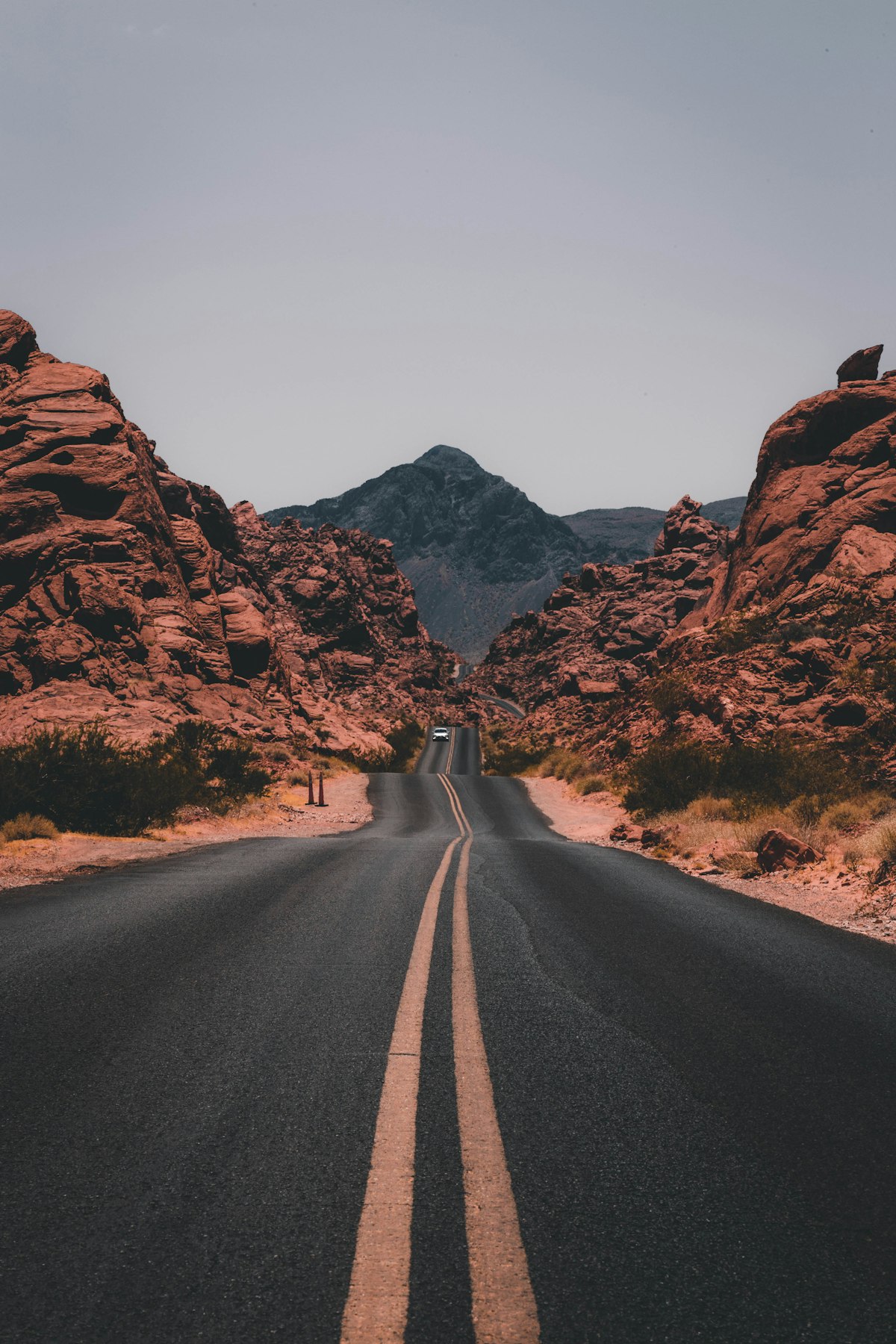
Banff & Canadian Rockies, Canada deserves attention because it gives travelers a clear identity. It is not only a place to tick off a list. It has a rhythm, a food culture, a transport pattern and a set of small planning traps that can affect the whole trip. For many travelers, this destination works best when the schedule is not overloaded. One or two carefully chosen experiences per day usually feel better than rushing between famous spots just to collect photos.
Best time to visit: June–September for lakes and hikes; December–March for winter scenery. You may want to avoid late spring if some lakes/roads are still restricted. Weather is only part of the decision. Prices, local holidays, flight availability and hotel location can change the experience just as much as sunshine or rain. If your travel dates are fixed, plan the day around the season instead of fighting it. Hot months need early starts and long lunch breaks. Rainy periods need backup indoor options. Peak months need advance reservations.
What to see: Lake Louise, Moraine Lake, Icefields Parkway, Banff town, Jasper area, hiking trails and hot springs. The common mistake is trying to see everything in one visit. A better plan is to choose one headline attraction, one neighborhood or nature area, and one slow local experience each day. That creates a trip that feels full without becoming tiring.
Food to try: Canadian comfort food, bison burgers, poutine, trout, craft beer and mountain lodge meals. Food is often the easiest way to understand a destination. Look for busy local places, simple menus and neighborhoods where residents actually eat. In tourist-heavy zones, a restaurant with photos of every dish in five languages is not always bad, but it is worth checking reviews carefully before sitting down.
Suggested stay and budget: 5–8 days. USD 160–400+ per day; car rental and lodge prices matter. This range can move sharply depending on your hotel class, booking season, private tours and restaurant choices. Budget travelers should focus on location and public transport. Luxury travelers should still compare cancellation terms because weather, strikes and flight changes can affect expensive trips too.
Best practical tip: Reserve park accommodation early, check shuttle rules for famous lakes, and carry layers even in summer.
Which Destination Is Best for Which Type of Traveler?
| Traveler Type | Best Options | Why |
|---|---|---|
| First international trip | London, Singapore, Dubai, Paris | Strong transport, clear tourism infrastructure and many hotel choices. |
| Honeymoon or romantic trip | Maldives, Santorini, Swiss Alps, Bali | Scenery, privacy, resorts and slow experiences. |
| Food lovers | Tokyo, Bangkok, Istanbul, Rome, Barcelona | Strong street food, traditional dishes and deep restaurant culture. |
| Nature and adventure | Banff, Queenstown, Cape Town, Swiss Alps, Machu Picchu | Mountains, trails, wildlife, road trips and outdoor activities. |
| Budget-conscious travelers | Bangkok, Bali, Istanbul, Cairo, Cusco | Lower daily costs are possible if flights and hotels are booked wisely. |
| Luxury travelers | Dubai, Maldives, Paris, New York, Santorini | High-end hotels, dining, private transfers and premium experiences. |
Travel Safety, Money and Documents
Before any international trip, check the official entry rules for your passport, not someone else’s comment on social media. Visa exemptions, tourist taxes, vaccine rules, airport forms and passport validity requirements can change. Keep digital and printed copies of your passport, visa, insurance, hotel confirmation and return ticket. Use a card with travel notifications enabled, but carry a small amount of local cash for markets, taxis or small shops.
Travel insurance is not exciting, but it is one of the cheapest ways to protect an expensive trip. It can help with medical emergencies, cancellations, lost baggage and delays, depending on the policy. Read the exclusions. Adventure sports, scooters, high-altitude trekking and pre-existing conditions may not be covered unless you choose the right plan.
For scams, the pattern is similar around the world: fake taxi prices, unofficial guides, “closed attraction” stories, currency exchange tricks, fake tickets, distraction theft and rental damage disputes. The answer is not to travel with fear. The answer is to slow down before paying, use official counters where possible, check reviews, keep receipts and avoid handing over your passport unless it is legally required by a hotel or authority.
Smart Packing List for World Travel
| Item | Why It Matters |
|---|---|
| Passport copies | Helpful if the original is lost or needed for hotel/admin records. |
| Universal adapter | Different countries use different plug types and voltage standards. |
| Power bank | Essential for maps, tickets and translation apps; carry it in cabin baggage. |
| Comfortable walking shoes | Most great cities punish bad shoes by lunchtime. |
| Light rain layer | Useful even in dry seasons when weather changes quickly. |
| Small medicine kit | Bring basics you already use safely at home; check customs rules for prescriptions. |
Helpful Research Sources for Travelers
For global travel trends, see UN Tourism’s international arrivals update. For hotel comparisons, begin with Booking.com, Agoda, Expedia and Google Hotels. For flights, compare fares with Google Flights, Skyscanner, KAYAK and Momondo, then check the airline’s own website before booking.
Final Recommendation: Do Not Copy Someone Else’s Dream Trip
The best destination is not the one with the most viral videos. It is the one that fits your time, money, weather tolerance and travel personality. If you love museums and cafés, Paris, Rome, London or New York may satisfy you more than a beach resort. If you are tired and want silence, the Maldives, Banff or the Swiss Alps may be worth the extra planning. If food and street energy matter, Bangkok, Istanbul, Tokyo and Barcelona can feel alive from morning until late night. If you want dramatic landscapes, Queenstown, Cape Town, Machu Picchu and the Canadian Rockies deserve serious attention.
Start with the season. Then compare flights. Then choose the hotel area. After that, build a realistic daily plan. A well-planned trip does not remove surprise; it makes room for better surprises. You will still get lost in a side street, find a café you did not save on Google Maps, or change your plan because the weather is too beautiful to stay indoors. That is part of travel. The difference is that preparation gives you confidence when the unexpected appears.
Travel is expensive, but it can also be one of the most useful forms of education. It teaches patience, geography, food culture, money management, history and humility. Choose carefully, book wisely, and leave enough space in the itinerary to actually feel the place you came to see.