Apple iPhone 18 is one of the most searched upcoming smartphone topics because every new iPhone generation affects design trends, mobile photography, app performance, resale value and the wider premium phone market. But there is one important point to understand before reading any iPhone 18 guide: as of May 2026, Apple has not officially announced the iPhone 18 lineup. That means every feature, design change, launch date and price discussion should be treated as researched expectation, market analysis and rumor-based forecasting rather than confirmed specification. This guide is written in that balanced way. It explains what is likely, what is only possible, what buyers should watch carefully and how the iPhone 18 could fit into the global market.
For readers who want to track official information, the safest source will always be Apple’s official iPhone page after launch. For market context, Apple’s investor resources and annual filings show how important iPhone remains to Apple’s business, while research firms such as IDC and Counterpoint show how Apple performs in the global smartphone market. Current rumor coverage from Apple-focused publications suggests that the iPhone 18 Pro series may focus on a more refined design, a smaller Dynamic Island or possible under-display Face ID direction, battery improvements, camera and chip upgrades, and an aggressive pricing strategy designed to protect premium demand even when component costs rise.

1. Quick Summary: What the iPhone 18 Is Expected to Represent
The iPhone 18 generation is expected to arrive at an important time for Apple. The iPhone 17 cycle reportedly pushed Apple strongly in the premium market, and the next generation may need to do three jobs at once: keep Pro buyers excited, move Apple Intelligence and on-device AI forward, and prepare the design language for future iPhones. Unlike an ordinary yearly refresh, the iPhone 18 conversation also includes possible lineup changes. Some reports suggest that Apple may split release timing, with Pro models arriving first and standard models coming later. Other discussions mention a possible ultra-premium model or foldable direction in Apple’s roadmap. Because Apple has not confirmed the strategy, buyers should avoid making plans based on only one leak.
The strongest expectation is that the Pro models will remain the main focus. If Apple follows its usual pattern, the iPhone 18 Pro and iPhone 18 Pro Max would target buyers who want the best display, camera, chip, battery life and premium materials. The standard iPhone 18 may be positioned for mainstream buyers who want the new generation but do not need every Pro feature. If Apple changes launch timing, the standard model may arrive after the Pro models, which could make the Pro devices even more important during the first buying season.
From a buyer’s point of view, the iPhone 18 will not only be about raw specifications. The real question is value: will the upgrade be meaningful compared with iPhone 16, iPhone 17, Samsung Galaxy flagships, Google Pixel phones and other premium Android devices? A phone can look attractive in headlines but still be a poor upgrade for someone who already owns a recent flagship. This guide breaks down the expected design, display, camera, performance, software, battery, price and market value so readers can understand the best decision before spending premium money.
| Area | Expected Direction | Confidence Level | Buyer Meaning |
|---|---|---|---|
| Design | More refined Pro design, possible smaller Dynamic Island, more seamless back finish | Medium | Could make the device feel newer without a full redesign |
| Display | Premium OLED, high refresh rate on Pro, possible under-display Face ID discussion | Medium to low | A smaller cutout would improve immersion, but full under-display tech is not guaranteed |
| Chip | Next-generation A-series chip, likely stronger AI and efficiency focus | High | Better performance, gaming, editing and longer useful life |
| Camera | Improved computational photography and Pro camera upgrades | Medium | Useful for creators, travelers and social media users |
| Battery | Possible Pro Max battery increase and efficiency gains | Medium | Important for heavy users and travelers |
| Price | Rumors suggest Apple may try to keep Pro starting prices aggressive | Medium | Good for buyers if base prices do not rise despite component costs |
2. Expected Launch Timeline and Lineup Strategy
Apple traditionally announces flagship iPhones in September, but the iPhone 18 cycle may not be a simple one-day story for all models. Several rumor discussions suggest that Apple could prioritize Pro models first and push some standard models into a later window. This would not be impossible from a market strategy point of view. Apple already separates products by audience: Pro buyers want the latest camera, chip and display first; mainstream buyers often wait for better pricing, carrier deals or holiday promotions. A split schedule could help Apple manage production, pricing and product attention.
A likely scenario is that the iPhone 18 Pro and iPhone 18 Pro Max receive the strongest launch focus. These are the models that typically carry the biggest margins, the best cameras, the newest chip and the strongest marketing around professional use. A standard iPhone 18 could still be important, but it may not receive the same level of hardware change. If a new ultra-premium or foldable model appears near the same generation, Apple may use it to create a new price tier above the Pro Max rather than replacing the existing Pro line immediately.
For global buyers, launch timing matters because first-wave countries usually receive stock earlier, while other markets may wait longer or pay higher prices due to tax, import duty, currency conversion and reseller markup. If you live in a market where iPhones arrive later, avoid paying extreme early grey-market prices unless you truly need the device immediately. The best market value often appears several weeks after launch when official stock, carrier offers and trade-in programs become clearer.
| Model Name | Possible Position | Likely Buyer | Timing Expectation |
|---|---|---|---|
| iPhone 18 | Mainstream flagship | Users upgrading from older iPhones who want modern performance without Pro pricing | Could arrive with or after Pro models depending on Apple strategy |
| iPhone 18 Pro | Premium compact Pro | Creators, professionals and buyers who want Pro features without the biggest size | Most likely part of first launch wave |
| iPhone 18 Pro Max | Largest battery and screen Pro | Heavy users, travelers, gamers and video creators | Most likely part of first launch wave |
| Possible Ultra/Fold model | New ultra-premium tier if Apple introduces it | Early adopters and luxury tech buyers | Rumored roadmap topic, not confirmed |
3. Design: What May Change and What May Stay Familiar
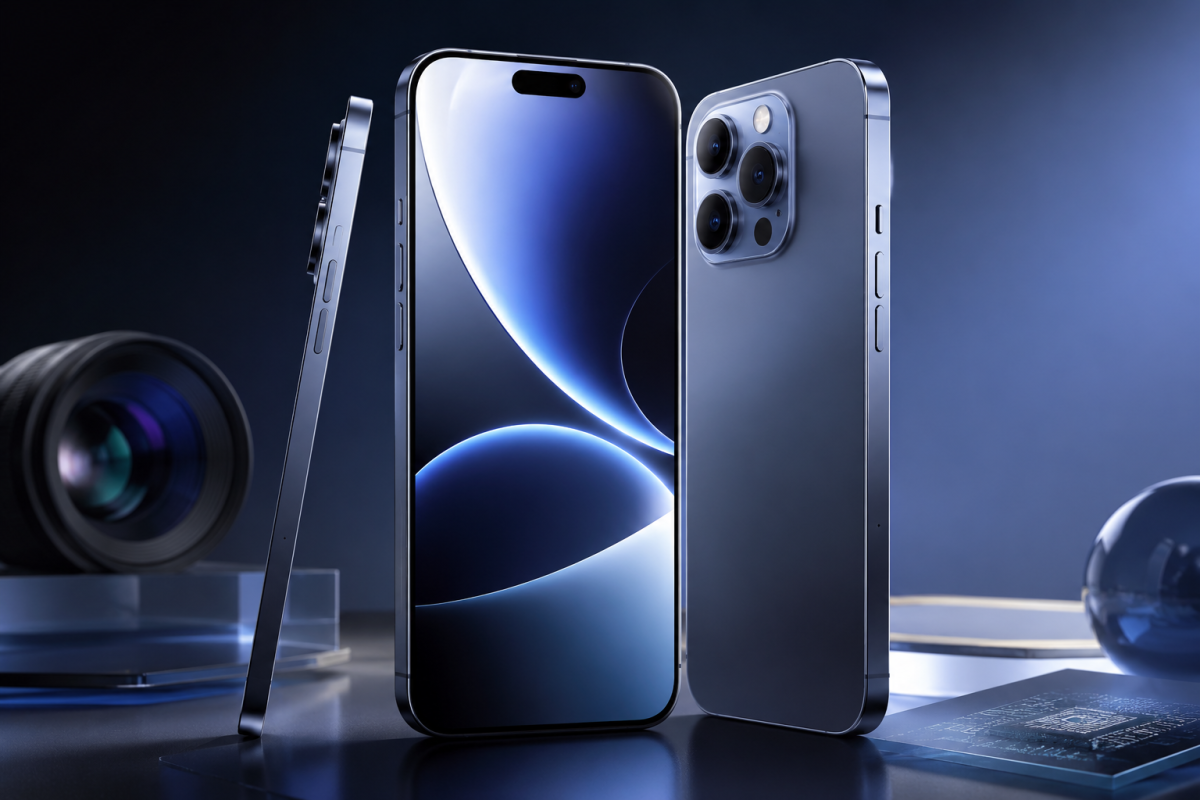
Apple rarely changes iPhone design just for attention. The company usually keeps a design language for several generations and gradually improves materials, balance, colors, camera layout and display cutouts. For iPhone 18, the most believable design expectation is refinement rather than a radical redesign. Reports around the Pro models mention a more seamless rear finish and a reduction in visual separation between materials. That sounds small, but it matters because many modern phones already have excellent performance; premium feel becomes one of the reasons buyers choose one flagship over another.
A more unified rear design would make the Pro models look cleaner, especially if Apple reduces the contrast between the back glass and frame. The iPhone has moved through stainless steel, titanium, aluminum, Ceramic Shield and different glass treatments over the years. Buyers should not judge design only by renders because real grip, weight, fingerprint resistance and durability are usually clearer after hands-on reviews. A phone can look amazing in images but feel too heavy, slippery or uncomfortable during one-handed use.
The color discussion is also active. Rumors have mentioned deeper, more premium shades such as dark red or burgundy-style finishes, alongside lighter blue, silver or dark gray possibilities. Color is not a functional feature, but it strongly affects buying behavior. Apple often uses color to make a generation visually recognizable. However, colors can change late in production, and regional availability may vary. If color matters to you, wait for Apple’s official launch page rather than trusting early renders.
Design durability should be judged through practical details: scratch resistance, back-glass repair cost, frame material, water resistance rating, drop performance and case compatibility. Many users upgrade to a new iPhone and immediately place it in a case. For those users, the real design value is not only beauty; it is weight, camera bump stability, button placement, heat management and how easy the device is to protect.

4. Display and Dynamic Island: Smaller Cutout or Under-Display Face ID?
The display is one of the most important areas to watch. The Pro models are expected to keep premium OLED technology, high refresh rate and strong brightness. The main rumor is not simply about display quality; it is about how much of the front screen is interrupted by Face ID and camera hardware. Since Apple introduced the Dynamic Island, many users have liked the software interaction but still want more usable screen space. A smaller Dynamic Island would be a logical next step.
Some reports discuss under-display Face ID, while other sources suggest Apple may only shrink the cutout for now. The difference is important. Under-display Face ID would move key Face ID components below the screen, leaving less visible hardware at the top. A smaller Dynamic Island would be less dramatic but still visually cleaner. Because display technology, camera quality and Face ID accuracy are difficult to balance, Apple may move gradually rather than risk reliability. Face ID must work in different lighting, angles and security conditions. A slightly larger visible cutout is better than an unreliable biometric system.
For buyers, the practical question is not whether the cutout disappears completely. The question is whether the viewing experience improves in daily use. If the iPhone 18 Pro has a smaller cutout, videos, games, maps and reading apps may feel more immersive. But unless you frequently watch full-screen content or care deeply about design symmetry, this alone may not justify upgrading from a recent Pro model. Display upgrades matter most when combined with better battery, brightness, performance and camera quality.
| Display Topic | What It Could Mean | Upgrade Importance |
|---|---|---|
| Smaller Dynamic Island | Less screen interruption and cleaner front design | Medium |
| Under-display Face ID | More futuristic display if Apple can maintain security and accuracy | High if true, but uncertain |
| Brightness and efficiency | Better outdoor visibility and battery performance | High for daily users |
| High refresh rate | Smoother scrolling, gaming and UI response | High, especially for Pro buyers |
| Durability improvements | Better resistance to scratches and drops | High for long-term ownership |
5. Performance: A-Series Chip, AI and Long-Term Speed
Every new flagship iPhone usually brings a new A-series chip, and iPhone 18 should continue that pattern. The expected chip may focus not only on CPU and GPU speed but also on neural processing, efficiency and thermal behavior. Modern phone performance is no longer only about opening apps quickly. It affects camera processing, gaming, video editing, AI features, voice tools, privacy-preserving on-device intelligence, battery life and how well the device feels after four or five years of updates.
Apple has been pushing more intelligence onto the device where possible because on-device processing can improve speed and privacy. If the iPhone 18 chip improves neural performance, it could make AI writing tools, photo editing, Siri improvements, local search, summarization and accessibility features feel faster. But buyers should be careful with AI marketing. The real value of AI is not a label on a keynote slide. It is whether features work reliably in your language, region, apps and daily workflow.
The Pro models will likely receive the most powerful chip first, while standard models may receive a different version or previous Pro-class chip depending on Apple’s segmentation strategy. This matters for buyers who keep phones for many years. A stronger chip today may extend useful life, support more future features and hold resale value better. However, if your current phone already handles your daily tasks smoothly, performance alone may not be enough reason to upgrade.
Thermal management is another key area. Faster chips are valuable only when the phone can sustain performance without becoming uncomfortable or throttling heavily. Gamers, video creators and heavy multitaskers should wait for real-world tests after launch. Benchmarks are useful, but sustained gaming, camera recording, 4K or 8K video processing and mobile hotspot use reveal more about actual performance.
- For casual users: performance upgrades mostly mean longer useful life and smoother apps.
- For creators: stronger chips help with video, photo editing, ProRes-style workflows and fast exports.
- For gamers: GPU, thermal stability and battery drain are more important than headline benchmark scores.
- For business users: performance matters when combined with security, reliability, storage and battery life.
- For AI features: neural processing may become a bigger reason to choose newer iPhones.
6. Camera System: What Buyers Should Expect
The iPhone camera is one of the biggest reasons people upgrade. Even when phone performance feels good enough, camera improvements can make a new iPhone attractive. For iPhone 18 Pro models, buyers should expect Apple to continue improving sensor performance, image processing, low-light quality, video stabilization, portrait accuracy and computational photography. The exact hardware is not confirmed, but the direction is clear: Apple wants the iPhone to remain a reliable everyday camera for social media, travel, family moments and professional content creation.
The most useful camera upgrade is not always more megapixels. A better sensor, improved lens, smarter HDR, faster autofocus, stronger video stabilization and more natural skin tones can be more valuable than a higher number on a spec sheet. Apple tends to focus heavily on consistency: photos should look good across main, ultra-wide and telephoto lenses, and videos should remain stable and color-balanced. This consistency is one reason many creators trust iPhones for quick production.
If the iPhone 18 Pro improves zoom, low-light telephoto shots or video capture, it could be meaningful for travelers and content creators. But for normal users who mainly take daylight photos for social media, the difference from iPhone 16 Pro or iPhone 17 Pro may be smaller than marketing suggests. The smart move is to compare real camera samples after launch: indoor people photos, night scenes, moving subjects, skin tones, food shots, text capture, front camera, video stabilization and microphone quality.
Camera software also matters. Apple may add more AI-assisted editing, smarter subject isolation, improved search and more automatic video tools. These features can help beginners create better results without learning professional editing. However, buyers should check whether features are available in their region and language. A camera feature is only valuable if it works in your real use case.
| Camera Use Case | What to Watch in iPhone 18 | Who Benefits Most |
|---|---|---|
| Travel Photos | Wide dynamic range, ultra-wide quality, battery while shooting | Travelers and vloggers |
| Portraits | Skin tone, edge detection, background blur, low-light face detail | Families, creators, social users |
| Zoom | Telephoto sharpness, stabilization, night zoom quality | Event shooters and travelers |
| Video | Stabilization, audio, heat, storage use, editing workflow | YouTubers, TikTok creators, professionals |
| Front Camera | Face detail, exposure, video calls, social media clips | Students, remote workers, influencers |
7. Battery Life, Charging and Daily Reliability
Battery life is often more important than any single flashy feature. Rumors around the iPhone 18 Pro Max suggest the largest model could receive a battery increase or a thicker body to support longer runtime. Even if the exact capacity changes, the overall expectation is that Apple will continue improving efficiency through chip design, display optimization and software power management. For many buyers, especially travelers, delivery workers, students and content creators, battery life is the difference between a premium phone that feels dependable and one that creates daily anxiety.
Apple usually does not compete by listing the largest battery numbers in the industry. Instead, it combines hardware and software efficiency. That means real-world testing matters more than capacity alone. A phone with a slightly smaller battery can last longer if the display, modem and chip are more efficient. Heavy 5G use, camera recording, gaming, navigation and hotspot mode will still drain any phone quickly, so buyers should look for tests that match their behavior.
Charging is another topic where buyers want improvement. Apple has moved gradually with USB-C and wireless charging standards, but some Android competitors offer much faster charging. The iPhone 18 generation may improve charging efficiency, but buyers should not assume extreme fast charging unless Apple announces it. Faster charging is convenient, but heat, battery health and charger quality matter. Use reliable chargers and cables, especially with premium phones.
Battery health should also influence market value. A used iPhone with strong battery health sells better than one with heavy degradation. If you plan to resell the iPhone 18 after two or three years, using optimized charging, avoiding excessive heat and keeping battery health in good condition can protect resale value.

8. Software Experience: iOS, Apple Intelligence and Ecosystem Value
The iPhone 18 will launch into an ecosystem where software matters as much as hardware. Apple’s advantage is not only the phone itself; it is the connection between iPhone, Mac, iPad, Apple Watch, AirPods, iCloud, App Store, FaceTime, iMessage, Find My and Apple services. For users already inside this ecosystem, an iPhone upgrade can feel more valuable than switching to a phone with better raw specifications because everything works together.
Apple Intelligence and future AI features could become a major selling point. The question is execution. Buyers should evaluate whether AI features improve real tasks: writing, summarizing, organizing photos, searching old information, managing notifications, editing images, improving Siri and helping accessibility. If the iPhone 18 gets stronger on-device AI hardware, it may support more private and faster intelligence features over time. But buyers should avoid paying only for promised future features. Buy based on what is available and useful at launch, with future updates treated as a bonus.
Long software support remains one of the biggest reasons iPhones hold value. A premium iPhone often receives years of updates, which supports security, app compatibility and resale pricing. For buyers who keep phones for five years, this is important. A cheaper phone that loses updates early may become less valuable even if the launch price is lower.
Privacy and security are also part of software value. iOS controls app permissions, tracking, location access, photos access and background activity in ways that many users appreciate. However, users still need good habits: use strong passwords or passkeys, enable two-factor authentication, avoid suspicious profiles, do not install unknown configuration files and keep the device updated. Even a secure phone can be misused if the owner ignores basic safety.
9. Expected Price and Market Value
Price is where iPhone 18 analysis becomes especially important. Reports suggest Apple may try to keep starting prices aggressive for the iPhone 18 Pro lineup despite pressure from memory and component costs. Some coverage points to the possibility of the iPhone 18 Pro starting around the same premium tier as recent Pro models, while the Pro Max may continue above it. These are not confirmed prices. Apple can change pricing based on storage, region, currency, tariffs, taxes and competitive conditions.
Market value has two meanings. First, it means launch price: how much buyers pay when the phone is new. Second, it means value retention: how well the phone holds resale price after one, two or three years. iPhones usually perform strongly in resale markets because of long software support, brand demand, accessory availability, repair networks and ecosystem loyalty. Pro models often hold value better than standard models, especially when storage is reasonable and condition is clean.
Global market value also depends on Apple’s strength in the smartphone industry. Apple’s 2025 iPhone revenue remained extremely large according to Apple’s annual reporting, and market research firms reported strong Apple shipment performance in 2025. That context matters because a strong iPhone market creates better accessory support, more carrier deals, more trade-in programs and stronger resale demand. A product with weak market demand usually loses value faster.
| Model / Tier | Expected Global Starting Position | Market Value View | Best Buyer Type |
|---|---|---|---|
| iPhone 18 | Premium mainstream tier | Likely best for users who want modern iPhone experience at lower price than Pro | Mainstream iPhone buyers |
| iPhone 18 Pro | High premium tier, rumored around recent Pro pricing if Apple holds price | Strong value if design, chip and camera improve meaningfully | Creators, professionals, long-term users |
| iPhone 18 Pro Max | Top traditional iPhone tier, likely highest normal model price | Usually strong resale if battery, display and camera are best in lineup | Heavy users and travelers |
| Possible Ultra/Fold | Could sit above Pro Max if introduced | High launch price, uncertain resale because first-generation categories can be risky | Early adopters and luxury tech buyers |
A practical price strategy is simple: do not buy only because it is new. Buy if the device solves a real problem or gives enough long-term value. If you own iPhone 13 or older, the iPhone 18 generation may feel like a major upgrade. If you own iPhone 16 Pro or iPhone 17 Pro, the upgrade may depend on camera, display cutout, battery and AI features. Buyers should also compare trade-in offers. Sometimes the best value is not the lowest price; it is the lowest total cost after resale or trade-in.
10. Global Buyer Guide: Which iPhone 18 Option Could Be Best?
The best iPhone 18 model will depend on the user. A student may care about price, battery and storage. A creator may care about camera, display, video and performance. A business owner may care about reliability, security, ecosystem and resale. A traveler may care about battery, eSIM support, camera, durability and global warranty conditions. Choosing the most expensive model is not always the smartest decision.
Storage choice is a common mistake. Many buyers choose the lowest storage to save money, then regret it after recording videos, downloading apps and saving photos. If you use iCloud heavily and do not shoot many videos, base storage may be enough. If you create content, travel, download offline media or keep phones for many years, higher storage can be a better long-term investment. Storage also affects resale: a well-priced mid-storage Pro model may sell more easily than a base model in some markets.
Carrier deals can change the value equation. In some countries, trade-in and contract deals make Pro models easier to buy. In other countries, unlocked phones are safer because they are easier to resell and use internationally. Always calculate total cost: upfront price, monthly contract, interest, insurance, accessories, AppleCare or warranty, charger/cable needs and expected resale value.
| User Type | Best Direction | Why |
|---|---|---|
| Casual User | Standard iPhone 18 or discounted iPhone 17 | Enough performance without paying for Pro features you may not use |
| Content Creator | iPhone 18 Pro or Pro Max | Camera, video, display and storage options matter more |
| Traveler | Pro Max if battery and camera are priorities | Longer battery, larger display and stronger camera system are useful |
| Student | Standard model or previous-generation Pro deal | Better value if budget matters |
| Business User | Pro model with enough storage | Long support, security, productivity and resale value |
| Early Adopter | Possible Ultra/Fold only if budget is flexible | New categories are exciting but may be expensive and first-generation |
11. Should You Wait for iPhone 18 or Buy Now?
Waiting makes sense if you already have a working phone and you want the latest Pro features. Because the iPhone 18 is expected to be close in launch timing for Pro buyers, waiting may help you avoid buying a device that feels outdated too soon. Waiting is also smart if under-display Face ID, smaller Dynamic Island, better battery or camera upgrades are important to you. Even if the iPhone 18 is not perfect, its launch may lower prices for older models.
Buying now makes sense if your current phone is broken, your battery is poor, you need a phone for work, or you find a strong discount on an existing iPhone. Technology always improves, so waiting forever is not a good strategy. The right time to buy is when your current device no longer meets your needs and the available product gives good value.
A balanced strategy is to wait until official launch if possible, then compare three options: the new iPhone 18 model, the previous iPhone 17 model at a discount, and a used or refurbished Pro model from a trusted seller. Many buyers discover that the best value is not always the newest phone. A discounted previous Pro can offer excellent camera, display and performance for less money.
- Wait for iPhone 18 if: you want the newest Pro design, camera, AI chip and battery improvements.
- Buy current iPhone if: you need a reliable phone immediately and find a good official discount.
- Choose refurbished if: you want premium features at lower cost and can verify warranty and battery health.
- Avoid early grey-market pricing if: official stock will arrive soon in your country.
12. Safety Tips Before Buying iPhone 18 Online
Because iPhones are high-value products, scams increase around launch season. Fake preorder pages, cloned Apple stores, suspicious marketplace listings, stolen-device resellers and unrealistic discounts are common risks. Use official Apple channels, trusted carriers, authorized resellers or reputable marketplaces with buyer protection. The FTC online shopping safety guidance is useful for checking sellers, payment methods and delivery promises before buying expensive electronics online.
Never send full payment through risky methods to an unknown seller. Avoid sellers who pressure you to pay quickly, refuse video proof, hide serial details, reject secure payment methods or offer prices far below the market. If buying used after launch, check IMEI/serial status where possible, verify battery health, confirm the phone is not locked to an account, test Face ID, cameras, speakers, microphone, charging, display, cellular network and Wi-Fi. For sealed phones, be careful with fake packaging and resealed boxes.
International buyers should check warranty coverage, eSIM/physical SIM support, network bands and regional model differences. Some iPhone versions may have different SIM configurations or regulatory features by market. A cheaper imported device may become expensive if it lacks local warranty or does not support your carrier properly.
| Buying Risk | Warning Sign | Safe Action |
|---|---|---|
| Fake preorder | Website looks like Apple but URL is slightly different | Use official Apple site or authorized reseller links |
| Stolen/locked phone | Seller cannot show activation screen or proof of purchase | Avoid or verify thoroughly before payment |
| Grey-market markup | Price is far above official expected price | Wait for official stock unless urgent |
| Counterfeit accessories | Cheap charger/cable bundle with no brand info | Use certified accessories from trusted sellers |
| Payment scam | Seller asks for irreversible transfer | Use payment method with buyer protection |
13. Final Verdict: iPhone 18 Market Outlook
The iPhone 18 generation looks important, but not because every rumor will definitely become true. Its importance comes from timing. Apple is competing in a premium market where buyers expect better cameras, longer battery life, stronger AI features, cleaner design and long software support. At the same time, component costs, global competition and buyer price sensitivity are real pressures. If Apple can deliver visible Pro upgrades while keeping starting prices stable, the iPhone 18 Pro line could become one of the strongest premium launches of its cycle.
For most users, the best advice is to wait for the official launch, read real reviews, compare battery and camera tests, and calculate total cost after trade-in or resale. Do not buy based only on renders or hype. The iPhone 18 may be excellent, but the best phone is the one that matches your needs and budget. If you are upgrading from an older iPhone, the new generation may feel like a major leap. If you already own a very recent Pro model, the decision should be based on specific improvements rather than the name alone.
Market value is likely to remain strong because iPhones continue to benefit from Apple’s ecosystem, long-term updates, strong brand demand and global resale channels. But smart buyers should still be selective. Choose the right model, avoid unnecessary storage upsells, buy from trusted sellers, protect battery health and keep the phone in good condition. That is how you get the best value from any premium iPhone purchase.
14. Detailed Upgrade Checklist Before Launch Day
Before the iPhone 18 becomes available, make a personal upgrade checklist. Start by writing down what you dislike about your current phone. Is it battery life, storage, camera quality, display brightness, heating, slow performance, cracked screen, poor resale value or missing software features? If you cannot name a real problem, you may not need to upgrade immediately. Many people buy new phones because of launch excitement, then use them the same way they used the old phone. A premium phone purchase should have a clear reason.
Next, check your current phone’s trade-in value and expected resale price. If the value is dropping quickly, upgrading during a strong trade-in promotion may make financial sense. If your phone still works well and has strong battery health, waiting another year may be smarter. Also consider accessories. A new iPhone may require a new case, screen protector, USB-C accessories, MagSafe products, camera lens protection or storage plan. These small costs can make the final purchase more expensive than the headline price.
Finally, decide your maximum budget before launch day. Apple marketing is powerful, and storage upgrades can push buyers higher than planned. If your budget is fixed, compare models inside that budget instead of stretching for the most expensive version. A standard model with higher storage may be better for some users than a Pro model with storage that becomes limiting. A Pro Max may be excellent for battery, but too large for users who prefer pocket comfort. The best iPhone is not the one with the longest specification sheet; it is the one you enjoy using every day.
15. Regional Price Reality and Import Considerations
Global iPhone pricing is rarely identical. A phone that starts at one price in the United States may cost much more in Europe, South Asia, Latin America, Africa or the Middle East after taxes, import duties, currency changes and reseller margins. That is why “market value” should be calculated locally. A buyer in Bangladesh, India or another import-heavy market should compare official reseller pricing, international unlocked pricing, warranty coverage and local service availability. A slightly cheaper imported phone may not be the best deal if warranty support is weak or if the seller disappears after purchase.
If you travel internationally to buy an iPhone, check SIM support carefully. Some regions may emphasize eSIM, while others still need physical SIM support. Also check whether AppleCare or warranty service is convenient in your country. Premium devices are expensive to repair, and display or back-glass damage can reduce resale value sharply. If your country has authorized service support, buying an official regional model may be safer than saving a small amount on an unsupported import.
For resale, keep original invoice, box, cable and any warranty documents. These details help buyers trust the device later. Use a quality case and screen protector from day one. Avoid unauthorized repair if you care about resale value. Keep the battery healthy by avoiding extreme heat and using reliable chargers. A clean phone with proof of purchase, good battery health and no activation lock will always be easier to sell.